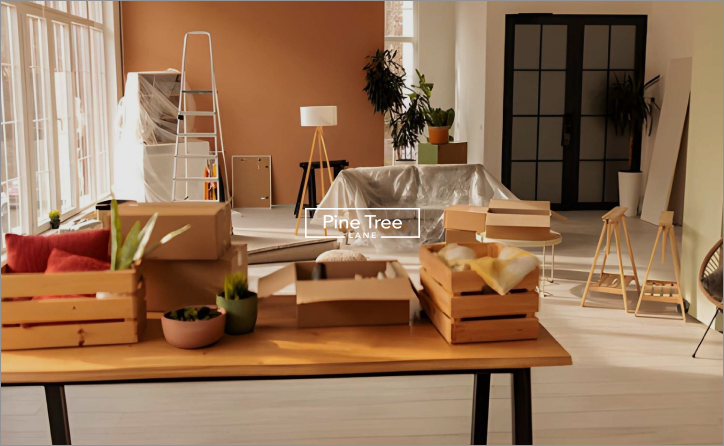
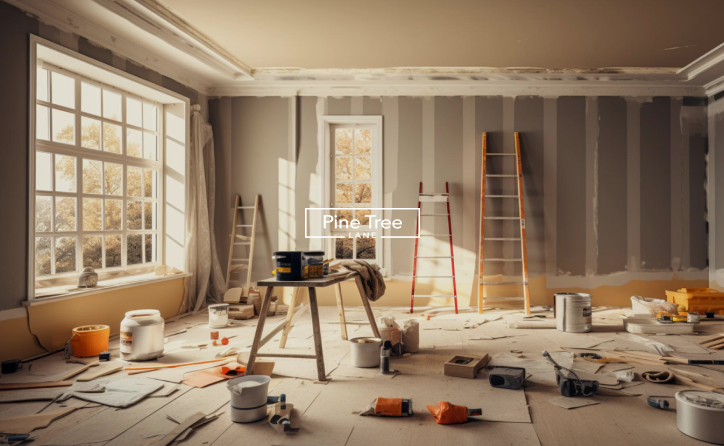
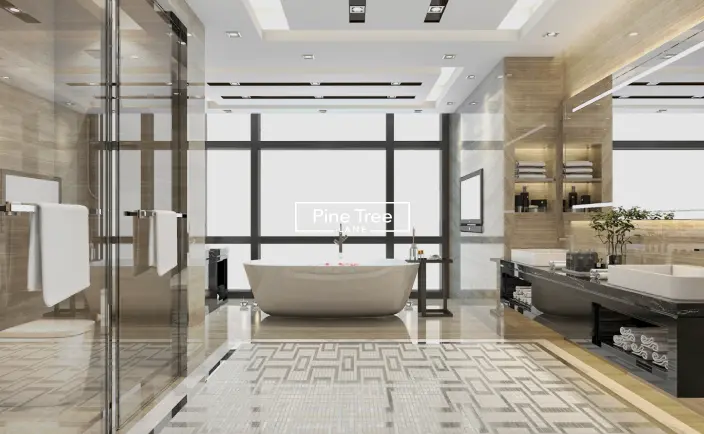
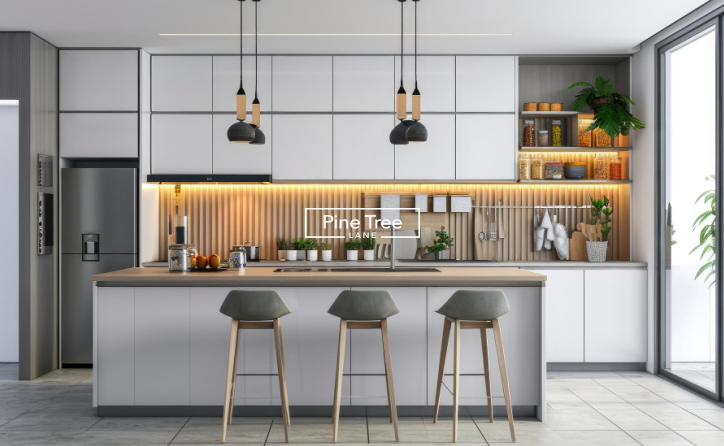
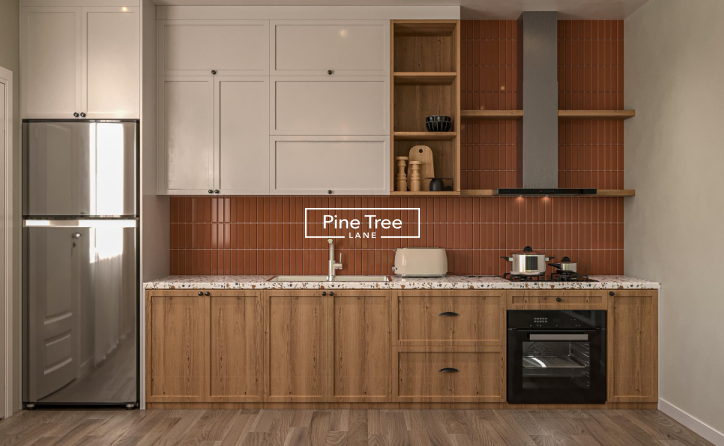
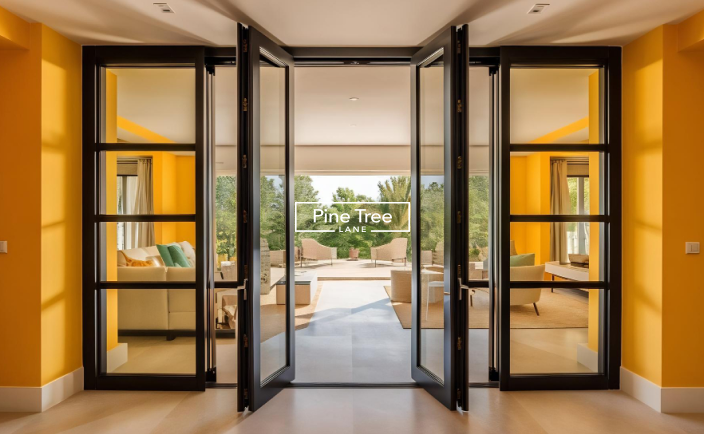
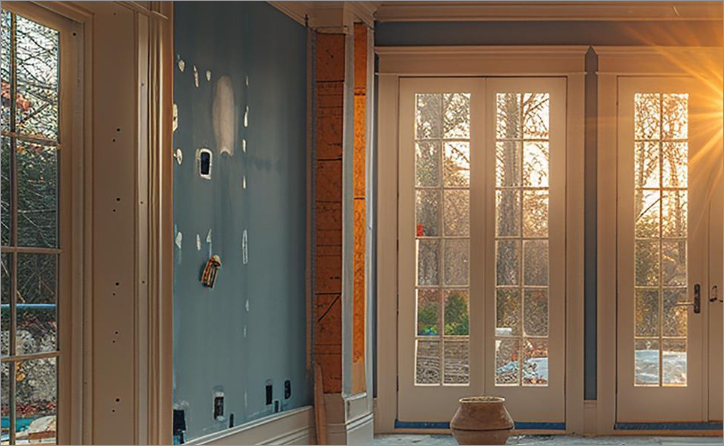
An apartment may look fine at first glance, but everyday use can gradually reveal problems that affect comfort, functionality and appearance. Worn flooring, outdated bathrooms, insufficient storage, recurring maintenance issues and inefficient layouts can all indicate that it may be time to consider a renovation.
For apartment owners in Dubai, renovation planning also involves understand ...
October 13, 2026
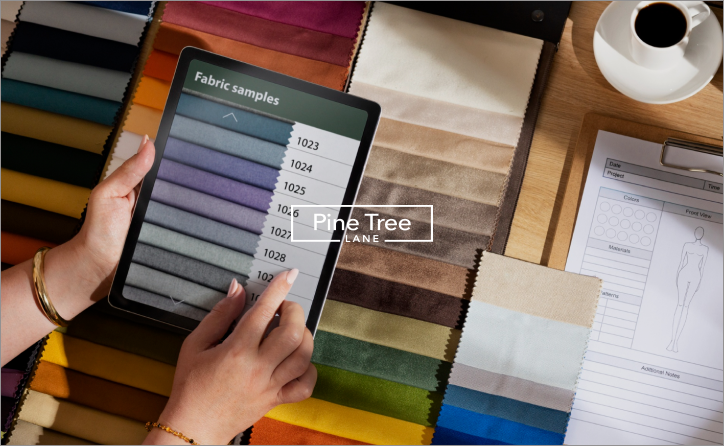
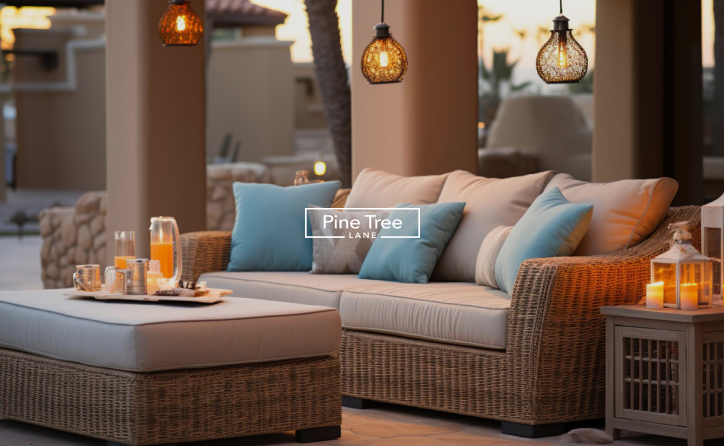
For most Dubai living rooms, the best sofa upholstery is a tightly woven polyester, microfibre or performance blend rated at 25,000+ Martindale rubs, with a lightfastness grade of 5 or higher and a “W” or “WS” cleaning code. Expect to pay roughly AED 60–200 per metre for a reliable everyday fabric and AED 150–450 per metre for stain-resistant performance fabrics, with a 3-seater needing 12–16 metres. Natural fibres such as cotton, linen and velvet still have a place but in formal rooms, shaded positions or on low-traffic pieces.
Choosing upholstery fabric for a sofa involves more than selecting a colour that matches the room. In Dubai homes, furniture can be exposed to dust, strong sunlight, air-conditioning and changes in indoor humidity. These conditions make fabric selection an important part of sofa design and long-term maintenance.
October 12, 2026
Renovating a home in Dubai involves more than choosing finishes, furniture and layouts. Depending on the type of work and the property’s location, homeowners may need permits, building management approval, developer NOCs or approvals from the relevant authority before work begins.
The requirements are not identical for every property. A minor maintenance job can follow a different process from a renovation involving layout changes, structural work, demolition or major services. Dubai Municipality provides building permit procedures for residential projects, while the Dubai Development Authority (DDA) lists separate permit services for fit-out, maintenance, modification and demolition work within its jurisdiction.
October 07, 2026
In Dubai, vacuum upholstered furniture at least once a week, or two to three times a week during the June–September shamal season and after sandstorms. Keep indoor humidity at 40–60%, blot spills within minutes, keep fabrics out of direct sun, and book a professional deep clean every 12–18 months. Condition leather every 3–6 months, because near-constant AC dries it out.
With summer highs of 41–43°C, around 3,500 hours of sunshine a year and shamal winds that push fine dust through closed windows, sofas, chairs and cushions wear faster here. They collect dust, absorb moisture and show wear when they’re not looked after regularly.
The right routine depends on the material, how much the piece is used and where it sits in your home.
October 05, 2026
Home renovation costs in Dubai can vary considerably because the word “renovation” can describe anything from repainting and flooring to a complete property transformation.
A cosmetic refresh requires a different budget from a project involving demolition, new kitchens and bathrooms, electrical and plumbing changes, custom joinery and new finishes. Current Dubai renovation guides also show substantial variation in published rates depending on the specification and project scope.
Before starting a project, it helps to understand which parts of the renovation have the biggest effect on the final price.
October 01, 2026
Bathroom renovation costs in Dubai can vary widely depending on the size of the bathroom, the condition of the existing space, the materials selected, plumbing changes, and the amount of work required. A simple cosmetic update may cost much less than a complete renovation involving new plumbing, waterproofing, tiles, sanitaryware, lighting, and cabinetry.
Before starting a renovation, it is useful to understand what contributes to the total cost and which decisions can change the budget.
September 14, 2026
A beautiful kitchen starts with good questions.
Before you choose cabinet colours, countertop finishes, or handles, you need to know whether the proposed kitchen will actually work for your home. The right kitchen designer should be able to explain the layout, storage, materials, appliances, budget, timeline, and installation process clearly.
A kitchen renovation is a major investment, so the first design meeting is the right time to ask questions—not after production has started.
Here are the most important questions to ask your kitchen designer before starting the project.
September 11, 2026
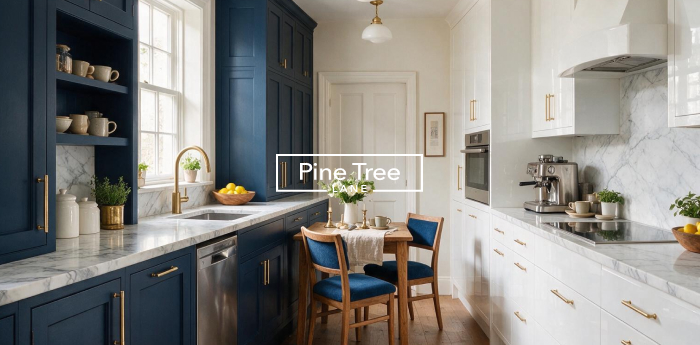
When planning a new kitchen, one of the first decisions is whether to choose a built-in kitchen or a modular kitchen.
The answer depends on what matters most to you. A built-in kitchen can make better use of unusual spaces and gives you more control over cabinet sizes and the overall design. A modular kitchen can be a practical option when you want pre-made units, a simpler installation process, and easier replacement of individual sections.
So which one is better?
Built-in is usually better for homeowners who want a kitchen designed around the exact room. Modular is often better for people who prefer a more standardised and flexible setup.
The best choice depends on your kitchen size, layout, budget, storage needs, design preferences, and plans for the property.
September 10, 2026
When comparing wooden vs aluminium doors for a Dubai home, aluminium is generally the better choice for exterior applications because it requires less maintenance and is well suited to hot, humid, and sun-exposed conditions. Wooden doors remain an excellent option for interiors, shaded entrances, and homeowners who want the warmth and natural character of timber.
The right choice, however, depends on where the door will be installed, how much direct sunlight it receives, the desired interior style, and how much maintenance you are comfortable with. Understanding these factors can help you select a door that looks good and performs reliably for years.
September 09, 2026
Your kitchen looks outdated. The cabinets are worn out, storage is limited, the countertop no longer suits your needs, and the layout makes everyday cooking harder than it should be. So, you decide to renovate. Then comes the difficult part: Which kitchen renovation company in Dubai should you hire?
With so many contractors, interior design companies, kitchen suppliers, and renovation firms available, comparing them can quickly become confusing. One company may offer a low price, another may have an impressive showroom, while another may show beautiful kitchens on Instagram.
But which one will actually deliver a kitchen that looks good, works well, stays within budget, and is completed properly?
The answer is not simply the company with the lowest quote. You need to look at the design process, materials, workmanship, installation, project management, communication, and final cost.
Here is a practical way to choose the right company for your kitchen renovation in Dubai.
September 09, 2026
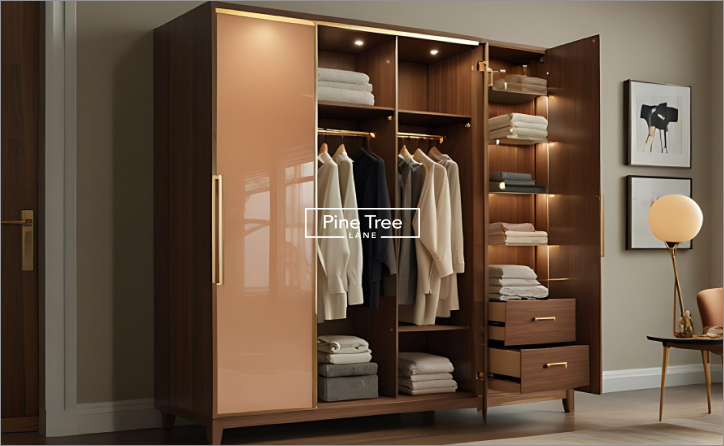
Choosing between built-in vs freestanding wardrobes depends on your bedroom size, storage needs, available space, budget, and how permanent you want the furniture to be. Built-in wardrobes are fitted directly into the available wall space, while freestanding wardrobes can be moved or replaced more easily.
For homes in Dubai, both options can work well. Built-in wardrobes can make better use of awkward corners and full-height walls, while freestanding wardrobes offer greater flexibility if you move or change your bedroom layout.
September 03, 2026
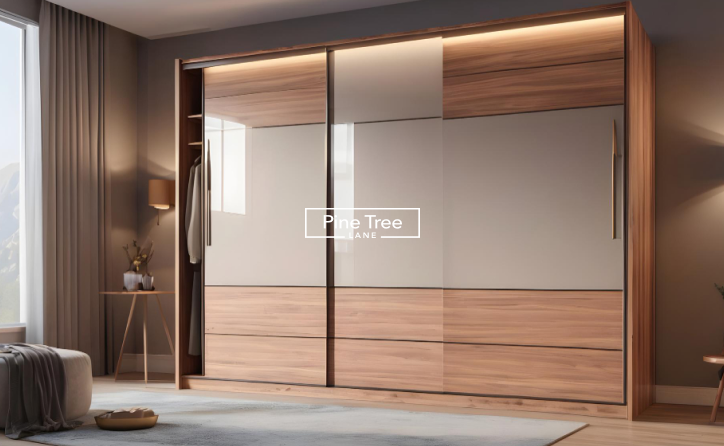
Choosing the right wardrobe door style can affect how your bedroom looks, feels, and functions every day. When comparing sliding vs hinged wardrobe doors, the best choice depends on your bedroom size, available floor space, wardrobe depth, access requirements, maintenance, and overall interior style. Sliding doors move horizontally along tracks, while hinged doors open outward from the wardrobe frame.
For bedrooms in Dubai, both options can work well. Sliding doors are often practical for compact spaces, while hinged doors can be a better choice when you have more clearance and want easier access to the wardrobe interior.
August 17, 2026
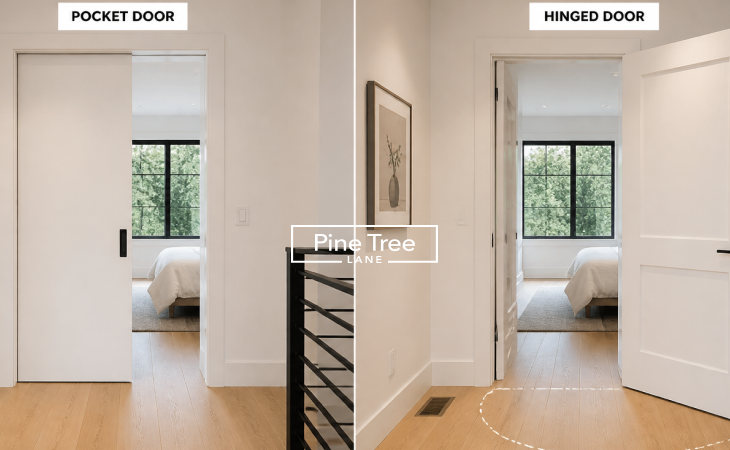
Pocket doors are better when floor space is the constraint, they recover around 0.6 m² (6.5 sq ft) per doorway. Hinged doors are better for bedrooms, for sound privacy, and for any wall you cannot open up. In Dubai, the decision is usually settled by wall construction: most internal walls here are blockwork, which makes retrofitting a pocket door a building job rather than a door job.
August 14, 2026
Choose matte kitchen cabinets if you want a soft, low-glare finish that hides fingerprints and dust. Choose gloss if your kitchen is small or short on daylight and you need the surface to bounce light. In Dubai specifically, matte and supermatt finishes are the more forgiving option, because fine airborne dust and hard water marks show clearly on high-gloss doors.
July 24, 2026
The standard main door size in Dubai homes is 90 cm wide × 210 cm high (36 × 83 inches), with a slab thickness of 4.5 cm (1¾ inches). Narrower entrances start at 80 cm, villa entrances run 105–120 cm wide, and double main doors span 150–180 cm in total. The right main door dimensions depend on your opening, your façade height, and how you use the entrance.
July 15, 2026
The standard wardrobe depth is 60 cm (24 inches) for hanging clothes, with 55 cm (22 inches) the absolute minimum and 60–68 cm (24–27 inches) the ideal range for built-in wardrobes. Sliding-door wardrobes need 65–70 cm (26–28 inches) to allow for the running track. In Dubai homes, that extra depth also improves airflow around clothes, which matters in a humid climate.