An apartment may look fine at first glance, but everyday use can gradually reveal problems that affect comfort, functionality and appearance. Worn flooring, outdated bathrooms, insufficient storage, recurring maintenance issues and inefficient layouts can all indicate that it may be time to consider a renovation.
For apartment owners in Dubai, renovation planning also involves understanding the building’s requirements and identifying which changes are practical within the existing space. Recognising the early signs can help homeowners decide whether a few improvements are sufficient or a more comprehensive renovation is needed.

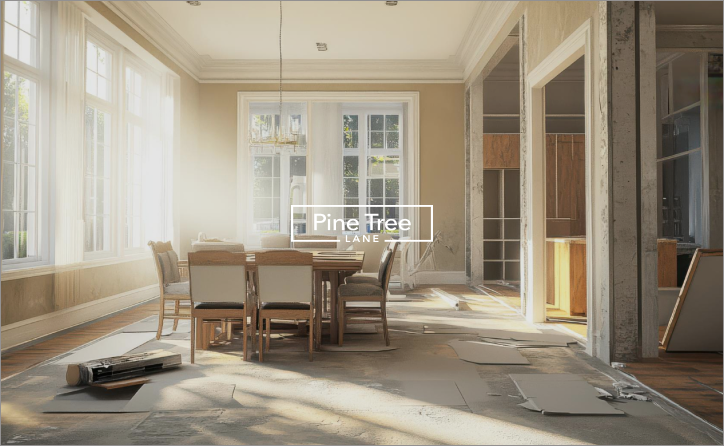
Peeling paint, cracked tiles, damaged flooring and loose cabinet fittings can make an apartment appear poorly maintained. While individual problems may only require minor repairs, widespread deterioration across several rooms may indicate that a more comprehensive update is worth considering.
Look for recurring damage to skirting boards, doors, wall finishes, kitchen cabinets and bathroom surfaces. Addressing these issues together can help create a more consistent appearance throughout the apartment.
A quick way to tell wear from age: interior paint in a Dubai apartment is usually due again every 5 to 7 years, silicone and grout every 5 to 10 years, and laminate flooring after 15 to 25 years. If several of those clocks have run out at the same time, you are looking at a renovation rather than a repair list. The lifespan table further down gives the full set.
Repeated plumbing leaks, slow drainage, faulty switches and frequently malfunctioning fixtures should not be ignored. These problems may be caused by individual components, but recurring issues can indicate that certain systems need a closer inspection.
A qualified professional should assess the underlying cause, including any suspected structural movement, before cosmetic work begins. Repairing the source of a problem first can help prevent damage to newly installed flooring, cabinetry and wall finishes.
Kitchens and bathrooms experience regular daily use, so outdated layouts and deteriorating finishes can become increasingly inconvenient. Insufficient worktop space, poorly arranged cabinets, damaged tiles, inadequate storage and worn fixtures may all affect usability.
A renovation can provide an opportunity to review storage, lighting, fittings and finishes together rather than replacing individual elements without considering the overall layout.
As a planning range, a bathroom refit in Dubai costs AED 10,000 to 40,000 and takes 2 to 4 weeks, and a kitchen AED 20,000 to 80,000 and 3 to 8 weeks, with custom joinery and premium worktops pushing past AED 100,000. Moving a plumbing point or a wall roughly doubles the cost of that element, so layout changes are best decided once, on paper, before anything is ordered.
A lack of storage, awkward furniture placement and underused corners can make even a reasonably sized apartment feel cramped. This is particularly noticeable when household needs change or additional storage becomes necessary.
Built-in wardrobes, practical cabinetry and better furniture placement can help make more effective use of available space. For homeowners considering apartment renovation in Dubai, assessing the existing layout, fixed building elements and storage requirements is a useful starting point before deciding on design changes.
Recurring damp patches, musty smells, peeling paint or visible mould can indicate a moisture problem. Possible causes include plumbing leaks, condensation, poor ventilation or water entering from another area.
These signs should be investigated before repainting or replacing finishes. Simply covering a stain may not resolve the underlying issue, and persistent moisture can damage surfaces and furnishings.
Bathrooms, kitchens and areas around windows deserve particular attention because moisture can accumulate in these locations.
An apartment that once worked well may become less practical over time. Working from home, changes in family size, new furniture or different storage needs can affect how rooms are used. The most common Dubai example is the home office: a two-bedroom that now needs to work as one bedroom plus a study, or a studio that needs a desk zone away from the bed.
A renovation can help adapt the space to current requirements through improved lighting, more useful storage, updated cabinetry or better room organisation.
Before committing to major changes, it is worth identifying which problems can be solved through furniture and storage adjustments and which require construction work.
Repeatedly repairing worn fixtures, damaged finishes and ageing components can become inconvenient and difficult to plan for. When several elements require attention at the same time, it may be useful to compare the cost of continued repairs with a coordinated renovation.
The decision should account for the condition of the apartment, the remaining life of existing materials and the work required. A detailed home renovation checklist can help organise priorities, identify necessary repairs and prepare a clearer renovation scope before requesting quotations.
In Dubai, cooling is the biggest line on the electricity bill. Air conditioning takes up to 60% of the power generated at peak hours, and DEWA puts the saving at up to 9% for every degree the thermostat is raised, with 24°C as the recommended setting. An AC system that cannot hold 24°C on a July afternoon, drips from the indoor unit, smells musty when it starts, or pushes the bill up year after year is telling you something.
Split units and fan-coil units have a service life of 7 to 15 years. In district-cooled towers (Empower, Emicool) the chilled water belongs to the building, but the fan-coil unit, thermostat, filters and condensate drain inside your apartment are yours to maintain and replace. Because AC changes need building sign-off and sometimes a DEWA load approval, they belong inside the renovation scope rather than as an afterthought.
A large share of Dubai’s apartment stock in Dubai Marina, Jumeirah Lakes Towers, Discovery Gardens, Dubai Sports City, International City and The Greens was handed over between 2005 and 2012, which makes those towers 14 to 21 years old today. If the kitchen carcasses, bathroom tiles, water heaters and fan-coil units are the ones the developer fitted, several of them are reaching the end of their expected life at the same time, which is exactly when a coordinated renovation beats piecemeal replacement.
The developer’s responsibility ended long ago. Under Article 40 of Dubai Law No. 6 of 2019, a developer is liable for structural defects for 10 years from the completion certificate, but for mechanical, electrical, plumbing and sanitary installations for only 1 year from handover. After that, everything inside the unit is the owner’s cost.

The right approach depends on how widespread the problems are.
A single-room renovation may be sufficient when the main issues are limited to the kitchen, bathroom or bedroom storage. A broader renovation may be worth considering when several rooms need new finishes, services require attention or the current layout no longer meets household needs.
A simple count works well as a first filter:
| Approach | When it fits | Typical Dubai cost | Time on site |
|---|---|---|---|
| Targeted repairs | 1 or 2 signs in one room, no water, electrical or cooling issues | AED 3,000 to 40,000 | A few days to 3 weeks |
| Room by room (phased) | 3 or 4 signs across rooms, budget spread over 1 to 3 years | AED 20,000 to 80,000 per phase | 2 to 8 weeks per phase |
| Full renovation | 5 or more signs, original developer finishes, services failing | AED 50,000 to 150,000 (1-bedroom); AED 80,000 to 250,000 (2-bedroom) | 4 to 10 weeks (1-bedroom); 6 to 14 weeks (2-bedroom) |
Phasing is popular in Dubai because many owners renovate while living in the apartment, but it has a cost: every phase means a new building NOC, a new deposit cycle, new dust and protection work, and contractor mobilisation charges each time. If three phases are likely within two years, one coordinated project is almost always cheaper and much less disruptive.
Finish level moves the number more than apartment size does, and anything that relocates plumbing, electrical points or walls roughly doubles the cost of that element.
| Scope | Typical range (AED) | Time on site |
|---|---|---|
| Repaint, full apartment | 3,000 to 12,000 | 3 to 7 days |
| New flooring, full apartment (LVT or porcelain) | 8,000 to 30,000 | 1 to 2 weeks |
| Built-in wardrobe, per bedroom | 5,000 to 15,000 | 1 to 2 weeks including fabrication |
| Bathroom refit | 10,000 to 40,000 (premium finishes 40,000 and up) | 2 to 4 weeks |
| Kitchen refit | 20,000 to 80,000 (custom or premium 100,000 and up) | 3 to 8 weeks |
| Full rewire and new distribution board | 5,000 to 35,000 | 1 to 2 weeks |
| Full one-bedroom renovation | 50,000 to 150,000 | 4 to 10 weeks |
| Full two-bedroom renovation | 80,000 to 250,000 | 6 to 14 weeks |
| Building NOC fee and refundable deposit | Fee 500 to 3,000; deposit 3,000 to 20,000 depending on the tower | NOC 1 to 3 weeks before work starts |
Before beginning work, assess the apartment’s condition and decide which improvements are essential. Establish a realistic budget, compare quotations with the same scope of work and prioritise repairs that could affect other areas of the property. Build in a 10 to 15% contingency, and ask every contractor to price the same written scope so the quotations can be compared line by line.
In Dubai, apartment owners should also check building management requirements, permitted working hours, access arrangements and any necessary approvals before construction begins. Structural elements, building services and external features may have restrictions that influence the proposed design. Planning these details early can help reduce avoidable delays and changes during the renovation.
Visible wear, recurring maintenance issues, outdated kitchens and bathrooms, inadequate storage and persistent moisture problems can all indicate that an apartment needs attention. The appropriate response may range from targeted repairs to a more comprehensive renovation, depending on the condition of the property and the homeowner’s needs.
By identifying the main problems, prioritising essential repairs and planning improvements around the available space, homeowners can make more informed decisions about their apartments. A clearly defined renovation scope also makes it easier to compare quotations and prepare for the work ahead.
Look for widespread wear, recurring repairs, inefficient layouts, outdated fixtures, insufficient storage and persistent moisture problems. An inspection can help determine whether repairs or a larger renovation are appropriate.
It depends on the condition of the property, budget and renovation priorities. Coordinating several rooms can be practical when they require related work, while a phased approach may suit homeowners with more limited budgets.
Prioritise safety concerns, leaks, electrical problems and other underlying issues. After these are addressed, consider areas such as kitchens, bathrooms, flooring, storage and decorative finishes.
Requirements depend on the building, property location and proposed work. Homeowners should check with building management and the relevant authority to determine which approvals or NOCs are required before work begins.
Start by listing essential repairs and desired improvements. Obtain detailed quotations, check what each quote includes and allow for unexpected issues that may be discovered during the work.


