In Dubai, vacuum upholstered furniture at least once a week, or two to three times a week during the June–September shamal season and after sandstorms. Keep indoor humidity at 40–60%, blot spills within minutes, keep fabrics out of direct sun, and book a professional deep clean every 12–18 months. Condition leather every 3–6 months, because near-constant AC dries it out.
With summer highs of 41–43°C, around 3,500 hours of sunshine a year and shamal winds that push fine dust through closed windows, sofas, chairs and cushions wear faster here. They collect dust, absorb moisture and show wear when they’re not looked after regularly.
The right routine depends on the material, how much the piece is used and where it sits in your home.
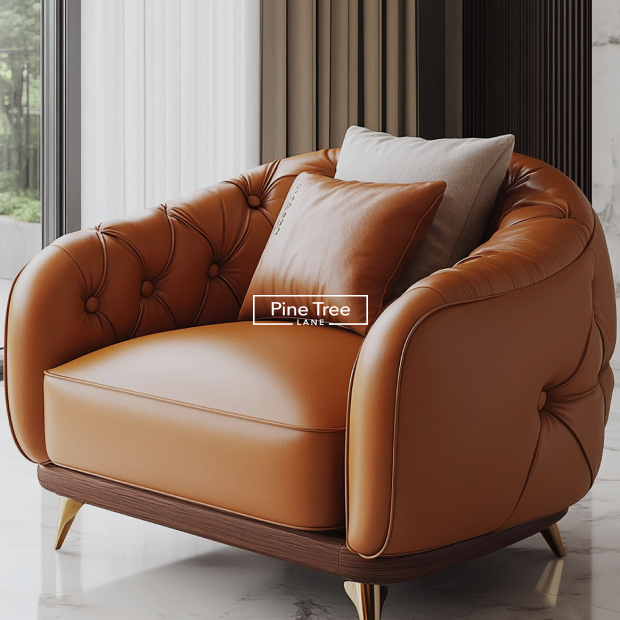
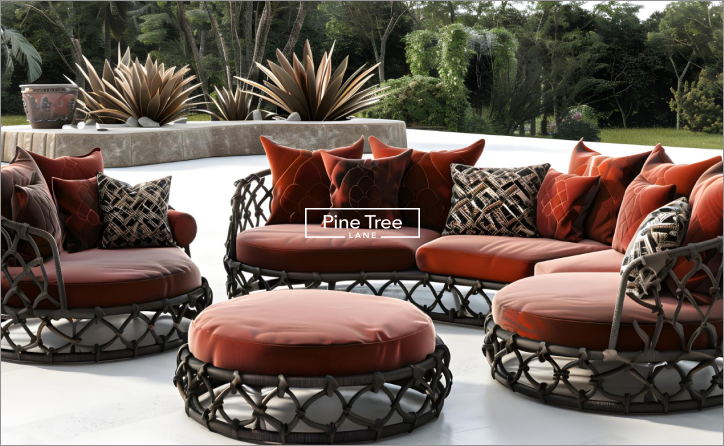
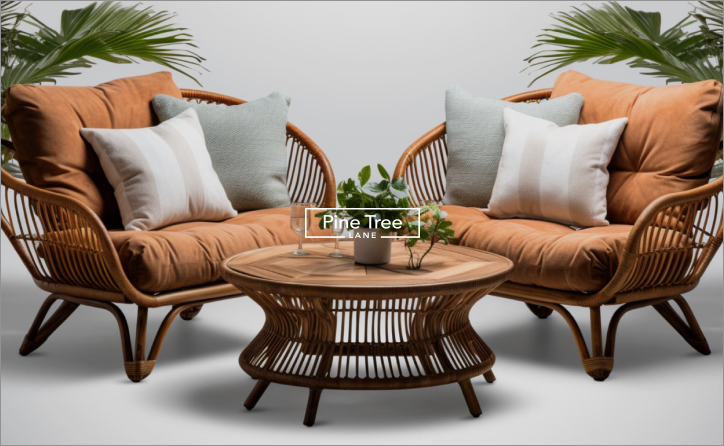

Dust can settle on fabric surfaces, especially around seams, cushions and other areas that are difficult to reach. Humidity can also affect upholstery when moisture remains trapped in the fabric or surrounding areas.
Furniture positioned near windows may face additional exposure to sunlight. Over time, repeated exposure can affect certain fabrics and colours.
For these reasons, upholstery care should form part of regular home maintenance rather than being limited to occasional deep cleaning.
| Dubai condition | What it does to upholstery | What to do |
|---|---|---|
| Fine dust and sandstorms (shamal winds, mainly June–September; spring storms too) | Abrasive particles work into the weave, dull colours and wear fibres at seams | Vacuum within 24–48 hours of a dust event; 2–3 times a week in peak season |
| Humidity (annual mean about 59%, often much higher on humid summer nights near the coast) | Trapped moisture leads to musty odours and mildew in cushions and sofa backs | Keep indoor humidity at 40–60%; leave a gap between sofas and exterior walls |
| Intense sun (about 9.8 sunshine hours a day; UV index regularly 11+ in summer) | Fading, brittle fibres and cracked faux leather | Keep out of direct sun; UV-filtering film; close blinds at midday |
| Air conditioning running most of the year | Dry air dries out leather; cold vents and glass can cause condensation nearby | Condition leather every 3–6 months; keep pieces about 1 m from AC vents |
| Outdoor heat (41–43°C+ summer highs) | Foam breaks down faster, adhesives soften, PU coatings peel | Use outdoor-rated fabric and quick-dry foam; store cushions in peak summer |
Vacuuming is one of the simplest ways to manage dust on upholstered furniture.
Use a suitable upholstery attachment and gently clean the seat, back, arms, seams and areas beneath removable cushions. Avoid pressing too hard against delicate fabrics.
For homes that experience frequent dust accumulation, weekly vacuuming can be a practical routine. Step it up to two or three times a week during the June–September shamal season, if you live near active construction, or if you have pets. After a sandstorm, vacuum within 24–48 hours, before people sitting on the sofa grind the dust deeper into the fabric. Use the lowest suction setting on velvet, linen and loose weaves.
Spills should be handled as soon as they happen.
Use a clean absorbent cloth to blot the affected area instead of rubbing it. Rubbing may spread the liquid and push it further into the fabric.
Act within the first few minutes if you can. Blot from the outside of the stain inwards, use as little water as possible, and test any cleaner on a hidden spot first, such as the back of the skirt or the underside of a cushion. Then dry the area with a fan or with the AC running. Fabric left damp for more than 24 hours in Dubai’s humidity is one of the most common causes of mildew smells.
The appropriate cleaning method depends on the upholstery material, so check the manufacturer’s care instructions (usually a W, S, WS or X cleaning code on the tag under the seat cushion; see the table further down) before applying a cleaning product.
Moisture can become an issue when upholstered furniture is kept in poorly ventilated spaces.
Good air circulation can help furniture dry properly after cleaning and reduce prolonged dampness. Furniture should also be kept away from visibly damp walls and areas where condensation regularly occurs.
Aim to keep indoor relative humidity between 40% and 60%. Mould and dust mites thrive once surface humidity reaches around 70% (Building Science Corporation), and that is easy to hit in a closed-up villa or a ground-floor apartment near the coast in August. A basic digital hygrometer tells you where you stand. If readings sit above 60%, run a dehumidifier or your AC’s dry mode, and leave a 5–10 cm gap between sofas and exterior walls so air can move behind them
Dust can collect in places that are easy to overlook.
Pay attention to cushion gaps, seams, armrests, the back of sofas and areas underneath removable cushions. These sections should be included in routine cleaning.
For furniture that has accumulated deeper dirt or needs fabric-related work, upholstery services in Dubai are worth building into your maintenance plan, rather than waiting until the damage is obvious.
Strong sunlight can affect some upholstery materials over time.
Where practical, position sofas and chairs away from prolonged direct sunlight. Curtains, blinds and other window coverings can also help reduce direct exposure.
Dubai averages close to 10 hours of sunshine a day and the UV index regularly reaches 11+ (extreme) in summer, so fabrics fade faster here than in most cities. Sun-facing cushions on a sofa by a south- or west-facing window can show visible fading within a single summer. UV-filtering window film blocks up to 99% of UV rays, and swapping cushion positions every month helps any fading happen evenly.
Not every household cleaning product is suitable for upholstery.
Strong chemicals or unsuitable detergents may affect colour, texture or protective treatments. Always check the manufacturer’s recommendations before using a product. Avoid bleach, ammonia and undiluted all-purpose sprays on any upholstery, and keep water away from fabrics coded S or X.
For delicate materials, professional cleaning may be more suitable than experimenting with general-purpose household products.
Frequently used cushions can develop uneven wear.
When the design allows it, rotate cushions from time to time and change their position. Regular plumping can also help cushions retain their shape. Once a month is a good rhythm for sofas that get daily use.
This is particularly useful for sofas and chairs that receive daily use.
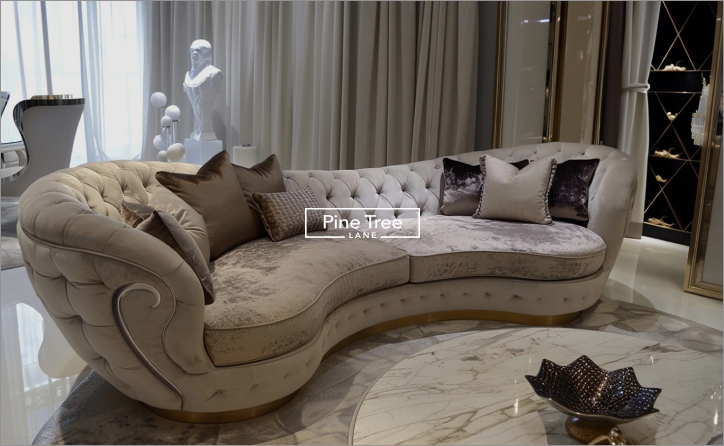
Use this as a baseline and adjust for how hard your furniture works. Homes with children, pets or allergy sufferers should lean towards the shorter end of each range.
| How often | What to do |
|---|---|
| Weekly | Vacuum seats, arms, seams and under cushions; wipe leather with a dry microfibre cloth |
| 2–3 times a week (June–September) | Extra vacuuming during the shamal dust season or near construction |
| Within 24–48 hours of a sandstorm | Vacuum indoor pieces; shake out and vacuum outdoor cushions |
| Monthly | Rotate and flip cushions, plump them, check seams and buttons |
| Every 3–6 months | Condition leather; wash removable outdoor cushion covers |
| Every 12–18 months | Professional deep clean (every 6–12 months with kids, pets or allergies) |
| Each summer (June–September) | Store or cover outdoor cushions; check for mildew when you bring them back out |
| Every 7–15 years | Assess reupholstery or foam replacement |
Different upholstery materials respond differently to moisture, sunlight and cleaning.
Some natural fabrics may need more careful treatment, while certain synthetic materials are designed for regular everyday use. Leather and coated materials also have different maintenance requirements compared with woven fabrics.
Before you clean anything, check the cleaning code on the furniture tag
| Code | What it means |
|---|---|
| W | Water-based cleaners only. Common on synthetics and treated fabrics. |
| S | Solvent-based (dry-cleaning) cleaners only. Water can shrink or watermark the fabric. |
| WS (or S/W) | Either water-based or solvent-based cleaners are fine. |
| X | No liquids at all. Vacuum or brush only; stains need a professional. |
And here’s how common upholstery materials hold up in Dubai:
| Material | Dubai risk | Care tip | Typical code |
|---|---|---|---|
| Cotton and linen | Watermarks and shrinkage, mildew in humidity, fades in sun | Vacuum weekly; professional cleaning for stains; keep out of sun | S or WS |
| Velvet | Pile crushes and dust shows easily | Brush with the pile; low vacuum suction | Often S |
| Polyester and microfibre | Hard-wearing, but static attracts dust | Spot-clean with a water-based upholstery cleaner | W or WS |
| Performance fabrics | Lowest maintenance; stain-resistant finish | Mild soap and water; avoid solvents that strip the finish | W |
| Genuine leather | Dries and cracks in constant AC; fades in sun | Dust weekly; condition every 3–6 months | Leather care only |
| Faux leather (PU) | Peels and flakes with heat and UV | Damp cloth only; keep out of direct sun | W |
Before selecting upholstery for a sofa or chair, consider how often the furniture will be used, where it will be positioned and how much maintenance will be practical.
For a family sofa, look for a Martindale rub count of 15,000–25,000 (general domestic use), or 25,000+ for heavy daily use with kids or pets.
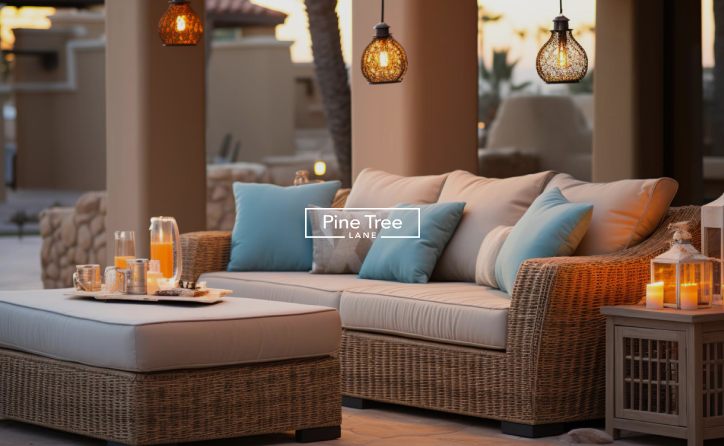
Furniture used on balconies, terraces and other exposed areas faces conditions that differ from indoor furniture. Direct sunlight, heat, humidity and dust can all contribute to faster wear.
Choosing suitable materials is therefore important when selecting or replacing outdoor upholstery. The fabric should be appropriate for the intended location and level of exposure.
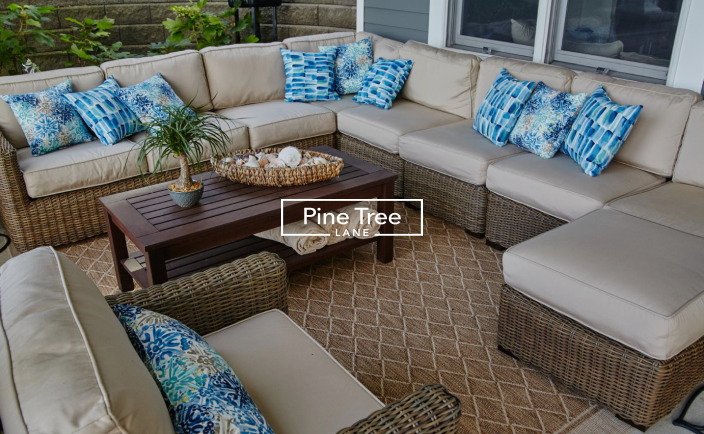
In Dubai, that usually means solution-dyed acrylic fabrics, which hold their colour far longer than printed polyester in strong UV; quick-dry reticulated foam, which lets water drain through instead of soaking in; and marine-grade vinyl for poolside seating. Avoid cotton and standard indoor foam outside, because both hold moisture and break down quickly in the heat. From June to September, store cushions indoors or use breathable UV-resistant covers, and bring them in whenever a dust storm is forecast.
For furniture used in exposed areas, outdoor upholstery in Dubai helps you match fabric, foam and stitching to how much sun and humidity the space actually gets.
Several simple mistakes can make upholstery harder to maintain.
Leaving dust for long periods allows it to settle deeper into the fabric. Using too much water during cleaning can also create problems if the furniture does not dry properly.
Scrubbing stains aggressively or using unsuitable chemicals may damage the fabric rather than solve the problem.
Another common issue is ignoring small stains, loose seams or worn fabric until the damage becomes more noticeable.
Two Dubai-specific mistakes come up again and again. The first is pushing a sofa flush against an exterior wall, where condensation from the AC can leave a musty patch behind the backrest. The second is leaving outdoor cushions out all summer, where heat and UV can wear them out in one or two seasons.
Cleaning cannot fix every upholstery problem.
Reupholstery may be considered when fabric is torn, heavily worn, badly faded or no longer appropriate for the room. The condition of the padding and furniture frame should also be checked before deciding what work is required.
If the furniture structure remains usable, replacing the upholstery can be an option instead of replacing the entire piece.
A practical rule of thumb: if the frame is solid and doesn’t wobble or creak, reupholstering usually makes sense when the quote is less than about half the price of a comparable new piece. Clear signs it’s time are fabric worn through on the arms or seat fronts, cushions that stay flat after plumping (foam typically lasts 5–10 years depending on density), sun damage that cleaning can’t fix, and odours that come back after a professional clean.
Maintaining upholstered furniture in Dubai requires regular attention to dust, humidity, sunlight and everyday use. Vacuuming, prompt spill treatment, suitable cleaning products and good air circulation can help keep sofas, chairs, cushions and other upholstered furniture in better condition.
The upholstery material also matters. Indoor furniture may require a different maintenance approach from furniture exposed to outdoor heat, sunlight and moisture.
A consistent cleaning routine, combined with deeper cleaning or reupholstery when necessary, can help extend the useful life of upholstered furniture and keep it looking suitable for the home.
Weekly vacuuming is a practical routine for many homes. Increase it to two or three times a week during the June–September dust season or after a sandstorm, and book a professional deep clean every 12–18 months.
Humidity can contribute to dampness and odours when moisture remains trapped in the fabric or ventilation is limited. Keep indoor humidity between 40% and 60%; mould and dust mites become a real risk once surface humidity reaches about 70%.
No. Upholstery materials have different care requirements. Check the manufacturer’s instructions before applying cleaning products. Look for the code on the tag: W means water-based cleaners, S means solvent only, WS means either, and X means vacuum only.
Where possible, position furniture away from prolonged direct sunlight. Curtains, blinds and other window coverings can help reduce exposure. UV-filtering window film blocks up to 99% of UV rays without darkening the room.
Professional or deeper cleaning can be considered when routine vacuuming and spot treatment are no longer enough to address visible dirt, stains or persistent odours. As a rule, plan for one every 12–18 months, or every 6–12 months with kids, pets or allergies.
Yes. Outdoor furniture faces more direct sunlight, heat, dust and moisture, so upholstery materials should be selected according to those conditions. Solution-dyed acrylic fabric and quick-dry foam are the usual choices for Dubai balconies and terraces.
In 2026, a shampoo clean for a 3-seater sofa costs around AED 150 and a steam clean around AED 225, with armchairs from AED 50–75 (ServiceMarket). Reupholstering a 3-seater costs far more, roughly AED 1,200–3,500 depending on fabric.
Condition it every 3–6 months, keep it about a metre away from AC vents and out of direct sun, and dust it weekly with a dry or barely damp microfibre cloth.


