For most Dubai living rooms, the best sofa upholstery is a tightly woven polyester, microfibre or performance blend rated at 25,000+ Martindale rubs, with a lightfastness grade of 5 or higher and a “W” or “WS” cleaning code. Expect to pay roughly AED 60–200 per metre for a reliable everyday fabric and AED 150–450 per metre for stain-resistant performance fabrics, with a 3-seater needing 12–16 metres. Natural fibres such as cotton, linen and velvet still have a place but in formal rooms, shaded positions or on low-traffic pieces.
Choosing upholstery fabric for a sofa involves more than selecting a colour that matches the room. In Dubai homes, furniture can be exposed to dust, strong sunlight, air-conditioning and changes in indoor humidity. These conditions make fabric selection an important part of sofa design and long-term maintenance.

Start by considering how frequently the sofa will be used.
A sofa in a main family living room may experience regular sitting, spills, friction and contact with clothing. A sofa in a formal sitting area may receive much less daily use. In many Dubai homes the majlis or family sofa is used every day and then hosts large gatherings during Ramadan and Eid, so it needs a heavier-duty rating than a guest-room seat that is used a few times a month.
For high-use furniture, look for upholstery that can tolerate regular handling and cleaning. For occasional-use furniture, appearance and texture may play a larger role in the selection process.
Dust is an important consideration when selecting upholstery for a home in Dubai. Dust storms are most frequent between March and August, and fine sand (PM10) settles on furniture even in sealed, air-conditioned apartments.
Loose or highly textured fabrics can collect dust more visibly, particularly on large seating surfaces. A fabric with a tighter weave can be easier to maintain as part of a regular cleaning routine.
Smooth fabrics can create a cleaner and more understated look, while textured materials can add visual depth to the room. However, heavily textured fabrics may require more attention during cleaning because dust can settle within the surface. Think about both appearance and everyday maintenance before making the final selection.
Vacuuming should still form part of normal furniture care regardless of the material selected. Once a week with an upholstery brush attachment is enough for most homes; twice a week during the spring–summer dust season or if windows are opened regularly.
For homeowners looking at different fabric options and furniture applications, Pine Tree Lane’s upholstery services in Dubai include a range of upholstery and textile solutions for residential and other spaces.
Sofa fabric needs to match the level of use.
Consider whether the sofa will be used every day, whether children or pets will use it, and whether cushions will be moved regularly. Durable upholstery can be useful for frequently used seating because repeated friction can affect weaker fabrics over time.
Fabric durability should be considered alongside comfort. A highly durable material is not automatically the best choice if its texture does not suit the intended room.
The position of the sofa can affect fabric selection.
A sofa placed beside large windows may receive direct sunlight for several hours each day. Repeated exposure can gradually affect some fabrics and colours.
Window coverings can help reduce direct exposure. Pine Tree Lane notes that fabric selection for Dubai interiors should consider strong sunlight and dust, particularly around windows with significant sun exposure.
When choosing colours, consider the amount of natural light in the room rather than selecting a shade only from a showroom sample.
Colour affects both appearance and maintenance.
Very light upholstery can show dust, spills and marks more easily, while very dark fabrics may make certain types of dust or lint more noticeable.
Mid-tone neutrals such as beige, taupe, grey and muted brown are often considered for living spaces because they can work with different interior styles. The right colour ultimately depends on the room, lighting and level of everyday use.
Before choosing a fabric, find out how it should be cleaned.
Some upholstery materials may allow regular vacuuming and spot cleaning, while others require more specific treatment. The manufacturer’s care instructions should always be checked before using cleaning products.
For homes where sofas are used frequently, a fabric that is straightforward to maintain can make everyday furniture care easier.
Cotton upholstery has a soft, natural feel and is available in many colours and patterns.
It can work well in relaxed living spaces, although the specific fabric construction and finish should be considered when evaluating durability and maintenance. Plain-weave cottons usually test at 10,000–15,000 Martindale rubs; heavier cotton twills and canvases reach 20,000–25,000. Cotton absorbs spills quickly and fades faster than synthetics, so it suits shaded rooms and low-traffic seating.
Linen has a natural appearance and a distinctive texture that can suit contemporary interiors.
However, linen can show creasing and may require more careful maintenance depending on its construction and finish. Pure linen typically rates 10,000–20,000 rubs and grade 3–4 for lightfastness, so it is best kept away from direct sun. A linen-look polyester or a 55/45 linen-polyester blend gives the same appearance with roughly double the abrasion rating.
Velvet creates a soft and visually rich surface and is often used for statement furniture.
Its pile can show changes in direction, pressure marks or shading, so regular care and suitable placement should be considered. Polyester velvet is the practical choice for Dubai: it rates 25,000–40,000 rubs, resists fading and can usually be spot-cleaned with water. Cotton and silk velvets look richer but crush, water-mark and fade more easily.
Polyester is widely used in upholstery and can be available in a range of textures, colours and patterns.
It can be a practical option for frequently used furniture, but performance depends on the particular fabric construction and quality.
Some upholstery fabrics combine different fibres to balance appearance, comfort, durability and cleaning requirements.
When comparing blends, check the manufacturer’s specifications rather than judging the material only by its appearance or fibre name.
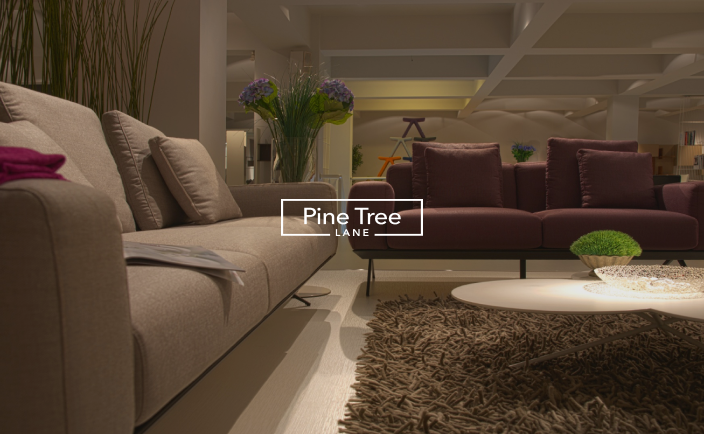
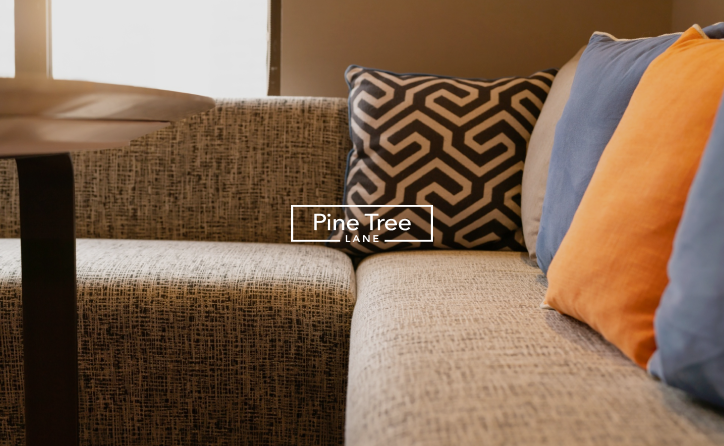
Texture can influence the overall appearance of a sofa.
Smooth fabrics can create a cleaner and more understated look, while textured materials can add visual depth to the room. However, heavily textured fabrics may require more attention during cleaning because dust can settle within the surface.
Think about both appearance and everyday maintenance before making the final selection.
Fabric is usually only 30–50% of a reupholstery bill; labour, foam and trimmings make up the rest. The ranges below reflect typical Dubai market pricing for residential work.
| Item | Typical Dubai range (AED) | Notes |
|---|---|---|
| Everyday polyester / microfibre fabric | 35–150 per metre | Most 3-seaters use 12–16 metres |
| Natural fibres (cotton, linen, velvet) | 60–400 per metre | Linen and cotton velvet at the top of the range |
| Performance / stain-resistant fabric | 150–450 per metre | Usually includes a 5-year warranty |
| Outdoor solution-dyed acrylic | 150–350 per metre | Plus marine-grade thread and foam |
| Reupholstery labour — armchair | 600–1,500 | Includes stripping, webbing check and re-covering |
| Reupholstery labour — 2-seater sofa | 900–2,500 | Add AED 300–800 if foam is replaced |
| Reupholstery labour — 3-seater sofa | 1,200–3,500 | Add AED 500–1,200 for new high-density foam |
| Complete 3-seater reupholstery (fabric + labour + foam) | 2,500–8,000 | Versus AED 3,000–15,000+ for a comparable new sofa |
| Typical turnaround | 7–14 working days | Longer for imported fabrics (3–6 weeks) |
How much fabric do you need? With standard 140 cm-wide fabric, allow 5–7 metres for an armchair, 9–12 metres for a 2-seater and 12–16 metres for a 3-seater. Add 10–20% for large pattern repeats or velvet (which must be cut in one direction), and 2–3 metres for a chaise or L-shaped section.
Fire safety note: the UAE Fire and Life Safety Code requires flame-retardant upholstery in commercial and public spaces but does not mandate it for private homes. For apartments and villas it is still worth asking whether a fabric meets BS 5852 (Crib 5) or an equivalent standard, especially for homes with smokers or many candles.
Indoor sofa fabrics and outdoor upholstery should not be treated as interchangeable.
Furniture placed on balconies, terraces and other exposed areas may face direct sunlight, heat, moisture and dust. Outdoor seating therefore needs materials selected specifically for those conditions.
For balconies and outdoor living spaces, outdoor upholstery in Dubai can be considered when selecting fabrics and materials suited to exposed furniture.
The upholstery should work with the other materials in the room.
Consider the colour of the flooring, curtains, walls, rugs and cabinetry before selecting the sofa fabric. A neutral sofa can provide flexibility when other elements already have strong colours or patterns.
Patterned upholstery can make the sofa a focal point, while plain fabric can create a calmer visual background.
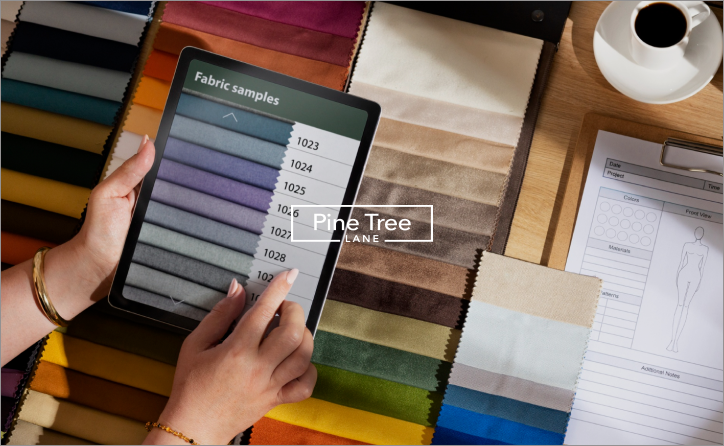
It is also useful to view fabric samples in the actual room because artificial showroom lighting can make colours appear different from how they look at home. Ask for an A4-size sample rather than a swatch, and check it at midday and again under evening lighting the warm 2700–3000 K LEDs used in most Dubai homes shift greys towards beige and cool blues towards green.
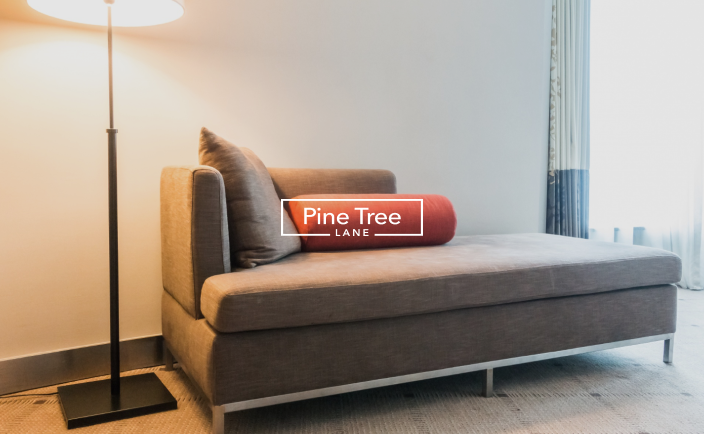
The most frequent mistakes we see in Dubai homes are easy to avoid once you know to look for them:
It is better to compare appearance, durability, comfort, cleaning requirements and room conditions before making a final choice.
Reupholstery can be considered when the sofa frame is still in usable condition but the fabric has become worn, stained, faded or outdated.
The condition of the cushions, foam and internal structure should also be checked. Replacing the outer fabric may not be enough if the internal components have also deteriorated.
For furniture that remains structurally sound, changing the upholstery can provide a way to update its appearance without replacing the entire sofa.
Choosing upholstery fabric for sofas in Dubai homes requires a balance between appearance, comfort, durability and maintenance.
Dust, sunlight, indoor humidity and everyday use should all be considered before selecting a material. The best fabric for a formal sitting room may not be the same as the best option for a busy family living room or an outdoor seating area.
Comparing fabric samples, checking care requirements and considering the room’s actual conditions can make the selection process more practical. A well-chosen upholstery fabric can complement the interior while making regular sofa maintenance easier.
For most Dubai homes, a tightly woven polyester, microfibre or performance blend rated 25,000+ Martindale rubs with a lightfastness grade of 5 or above is the best all-round choice. There is no single fabric that suits every sofa. The choice depends on daily usage, sunlight exposure, dust levels, cleaning requirements and the desired appearance.
Light colours can work well, but they may show dust and spills more easily. If you want a pale sofa, pair it with a performance fabric carrying a “W” or “WS” cleaning code and plan on weekly vacuuming. The amount of furniture used and the household’s cleaning routine should be considered.
Ease of maintenance depends on the specific fabric construction and manufacturer’s care instructions. Fabrics that tolerate regular vacuuming and appropriate spot cleaning can be practical for frequently used sofas.
Yes, prolonged direct sunlight can affect some fabrics and colours. Furniture placement and suitable window coverings should be considered when the sofa is near large windows.
Generally, outdoor furniture requires materials selected for exposure to sunlight, heat, moisture and dust. Indoor upholstery is not necessarily suitable for outdoor conditions.
Yes. Reupholstery can be considered when the sofa frame and structure remain usable but the fabric is worn, damaged or outdated. The padding and internal condition should also be assessed.


