Renovating a home in Dubai involves more than choosing finishes, furniture and layouts. Depending on the type of work and the property’s location, homeowners may need permits, building management approval, developer NOCs or approvals from the relevant authority before work begins.
The requirements are not identical for every property. A minor maintenance job can follow a different process from a renovation involving layout changes, structural work, demolition or major services. Dubai Municipality provides building permit procedures for residential projects, while the Dubai Development Authority (DDA) lists separate permit services for fit-out, maintenance, modification and demolition work within its jurisdiction.
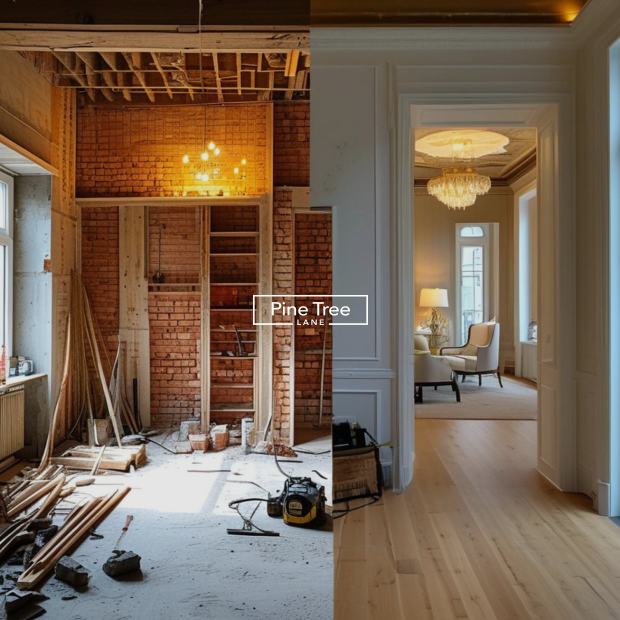

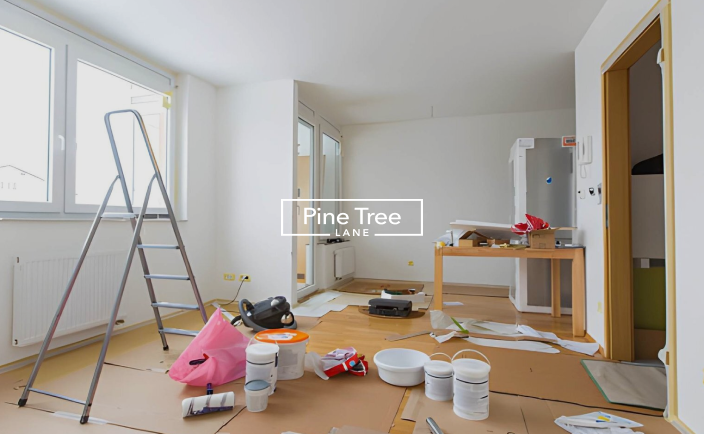

Yes, for most work beyond paint, like-for-like repairs and loose furnishings. There is no single permit that applies to every renovation.
The requirement depends on what you are changing, where the property is located and which authority or building management body controls the property.
Dubai Municipality provides procedures for building permits and completion certificates for residential buildings. DDA also lists separate services including Fit-Out Permit, Building Modification Permit, Maintenance Permit and Demolition Permit.
Simple decorative work may follow different requirements from a project involving walls, plumbing, electrical services, structural elements or extensions.
Before construction begins, the renovation scope should therefore be reviewed to determine which approvals apply.
1. Building or Fit-Out Permit
Fit-out work can require a specific permit depending on the property’s jurisdiction.
For example, DDA’s Fit-Out Permit allows a contractor to obtain approval to start fit-out works. Its listed requirements include a contractor appointment letter, EJARI copy, NOCs from the building owner and relevant authorities, and approved and proposed drawings. The fee is AED 0.90 per sq ft (minimum AED 200, maximum AED 10,000, plus AED 20 in Knowledge and Innovation fees), the published processing time is 2 working days and the permit is valid for 6 months. If the works add structural elements or built-up area, or change the use of the space, DDA treats them as a Building Modification instead, and the fit-out fee is not refunded.
In Dubai Municipality areas the equivalent for interior work is the decoration permit. Any decoration works in a unit larger than 100 sq m, such as suspended ceilings, shelving or internal partitions, need a permit applied for by a DM-approved contractor through Dubai BPS, with the owner’s written consent and Civil Defence requirements attached. Units of 100 sq m or less are exempt from the permit itself, but the work must still be carried out by a DM-approved contractor to the same technical and fire-safety standards.
This is particularly relevant when a renovation involves more than simple decorative changes.
2. Maintenance Permit
Some maintenance work may fall under a separate approval process.
DDA currently lists a Maintenance Permit for work such as painting and repairing cracks after the building completion certificate has been issued. The fee is AED 1,500 for a new permit (AED 200 to renew it for 3 months), processing takes 5 working days and the permit is valid for 1 year.
Interior and exterior painting and floor alterations no longer need a DM maintenance permit, and minor structural repairs can be self-permitted instantly through Dubai BPS by firms registered on the system. Your building management will still want to know the work is happening.
3. Building Modification Approval
A renovation involving significant changes may require a building modification permit.
DDA’s Building Modification Permit covers modifications to completed buildings where the service is available. Its requirements include an appointment letter signed by the owner, consultant and contractor, with additional requirements depending on the project.
Changes involving additional built-up area or structural elements may require a different approval path rather than a standard fit-out application.
4. Demolition Approval
Removing walls, sections of a building or other elements can introduce additional approval requirements.
Dubai Municipality lists a permit for full or partial demolition, while DDA also includes a Demolition Permit within its construction permit services.
Demolition should therefore be included in the approval review before work starts.
5. DEWA, Civil Defence and District Cooling Approvals
Three service approvals sit alongside the main permit, and they are the ones homeowners most often forget to budget for.
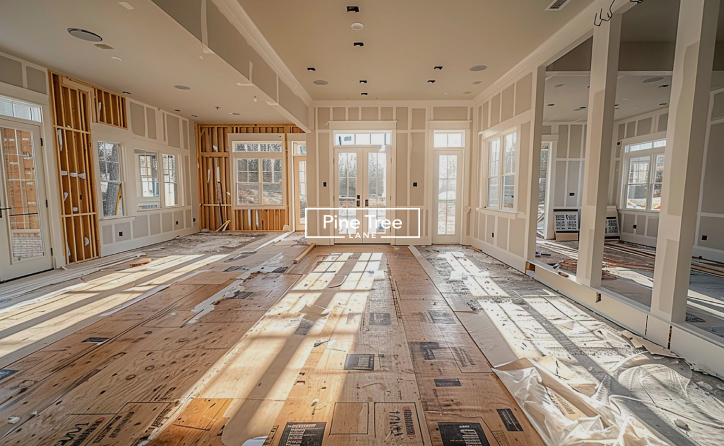
Apartments often have additional building-level requirements because residents share structures, services, lifts and common areas.
Building management may require an NOC, approved drawings, contractor details, insurance documents, deposits or rules relating to working hours and access. The exact requirements differ between buildings.
DDA’s fit-out permit requirements also include an NOC from the building owner and relevant authorities where applicable.
For homeowners planning renovation services in Dubai, checking the property’s building and community requirements at the beginning can help establish what can be changed and what approvals are needed.
Villa renovations can involve a different set of requirements from apartments.
Changing the internal layout, adding extensions, modifying external elements or carrying out structural work may require approvals. Dubai Municipality specifically lists a service for permits to build extensions to private villas.
Community rules may also apply to villas in managed developments. Pine Tree Lane notes that requirements can differ between Dubai communities and that approvals are assessed as part of its villa renovation process.
The exact documents depend on the project, but homeowners may be asked for items such as:
DDA’s published permit requirements illustrate how documentation can vary by permit type.
A typical renovation approval process can follow these stages:
1. Assess the Property
Review the existing layout, services, structural elements and building or community rules.
2. Define the Renovation Scope
Decide which walls, rooms, services, finishes and built-in elements will be changed.
3. Prepare Drawings and Documents
Where required, the contractor or consultant prepares the proposed drawings and supporting documents.
4. Submit for Approval
Applications may be submitted through the relevant authority or property management process.
5. Receive Approval Before Work Starts
Construction should follow the approved scope and conditions.
6. Complete the Work and Close Out
Some projects require a completion certificate or final approval after construction. DDA, for example, provides separate fit-out and building modification completion services.
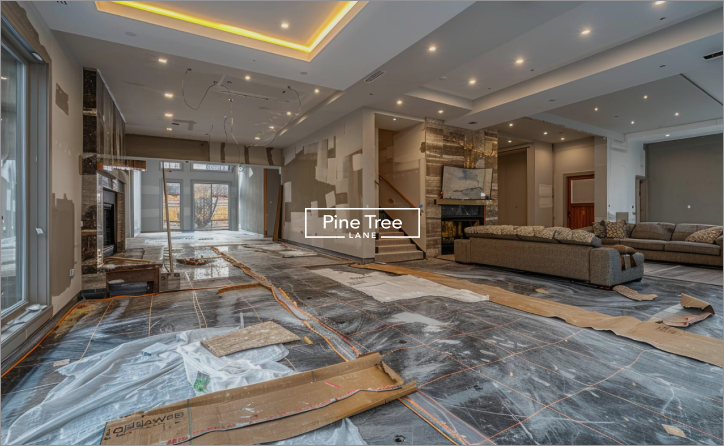
Approval timelines vary by authority, permit type and project complexity.
As an example, DDA currently lists an estimated 2 working days for a Fit-Out Permit and 5 working days for a Maintenance Permit. These figures apply to the specific DDA services and should not be treated as a universal Dubai renovation timeline.
Additional time may be needed when drawings require revisions, external NOCs are involved or building management has its own review process.
For planning purposes, these are the ranges Dubai homeowners should pencil in:
| Scenario | Typical approval time before construction |
|---|---|
| Apartment, cosmetic works with a building NOC only | 1 to 2 weeks |
| Apartment, partitions, ceilings or plumbing changes (NOC plus authority permit) | 3 to 6 weeks |
| Villa interior renovation in a managed community (developer NOC plus authority permit) | 4 to 8 weeks |
| Villa extension, pool or structural change | 2 to 4 months |
| Published authority targets | DDA Fit-Out Permit 2 working days; DDA Maintenance Permit 5 working days; DDA Building Modification Permit 2 working days; DEWA network-modification estimate 10 working days |
Permits also expire. A Dubai Municipality construction works permit is valid for 6 months and can be renewed up to three times, and it can be cancelled if work has not started within 3 months of issue. DDA fit-out permits also run for 6 months and DDA maintenance permits for 1 year, so line up the contractor before the permit is issued, not after.
Starting work without the required permit or NOC can create problems during the project.
Work may need to be stopped, modified or brought into compliance. This can also create delays when building management or authorities inspect the work.
The safer approach is to confirm the approval requirements before demolition or construction begins rather than trying to resolve permissions after the work is underway.
Before starting the project, ask:
For broader project planning, this home renovation checklist for Dubai homeowners can help organize the work before construction starts.
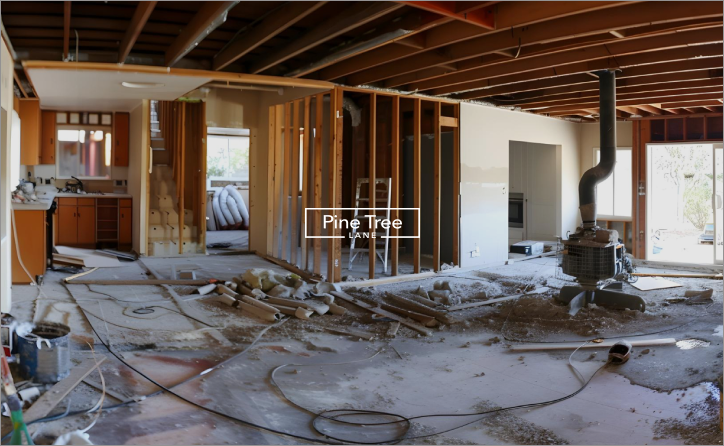
Renovation permits and approvals in Dubai depend on the property, renovation scope and authority responsible for the building or development. Structural changes, demolition, extensions, fit-out work and certain maintenance activities can follow different approval routes.
Homeowners should identify these requirements before work begins and make sure the contractor understands which documents, drawings, NOCs and permits are needed.
A clearly defined scope combined with early approval planning can make the renovation process easier to manage and reduce the risk of changes or delays during construction.
Not necessarily. Requirements depend on the type of work, property and relevant authority. Decorative maintenance may follow different requirements from structural or major modification work.
Apartment projects commonly involve building management or developer requirements in addition to any applicable authority approvals. The exact requirements vary between buildings. DDA’s fit-out process, for example, includes an NOC from the building owner and relevant authorities where required.
Yes, extensions can fall under a specific permit process. Dubai Municipality lists a permit service for extensions to private villas.
The responsible party can depend on the permit and property. DDA’s Fit-Out, Maintenance and Building Modification services identify the contractor as the requester for those services.
There is no single timeframe for every property. DDA currently lists 2 working days for its Fit-Out Permit and 5 working days for its Maintenance Permit, but other approvals or building management reviews can add time.


