When comparing wooden vs aluminium doors for a Dubai home, aluminium is generally the better choice for exterior applications because it requires less maintenance and is well suited to hot, humid, and sun-exposed conditions. Wooden doors remain an excellent option for interiors, shaded entrances, and homeowners who want the warmth and natural character of timber.
The right choice, however, depends on where the door will be installed, how much direct sunlight it receives, the desired interior style, and how much maintenance you are comfortable with. Understanding these factors can help you select a door that looks good and performs reliably for years.
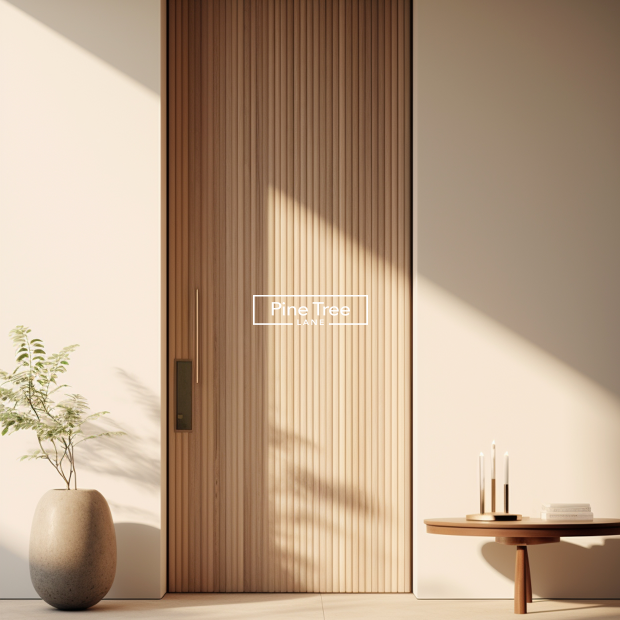
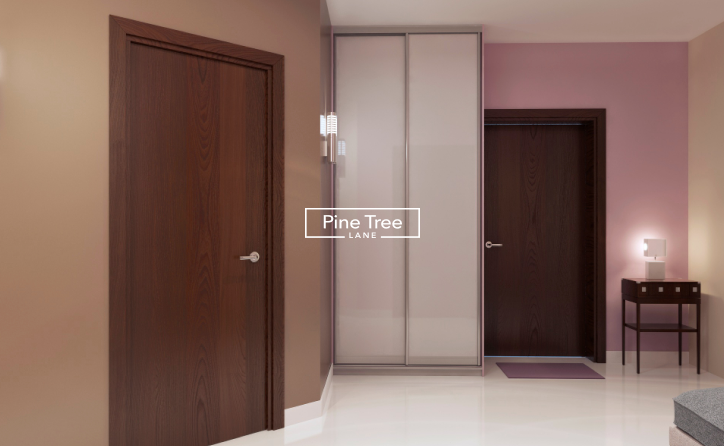
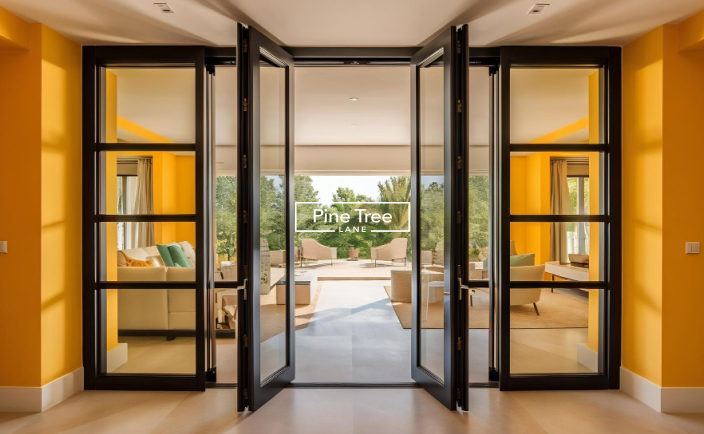
Dubai’s climate puts greater demands on exterior building materials. Summers are extremely hot, while humidity can also be significant because of the city’s coastal location. This combination means doors can be exposed to high temperatures, intense sunlight, dust, moisture, and repeated changes in environmental conditions.
To put this in numbers: Dubai’s summer daytime temperatures typically reach 40–45°C and can peak near 48–49°C during the hottest weeks (June to August), while humidity in coastal areas regularly climbs above 80–90% on summer mornings. This heat-and-humidity combination is what accelerates finish breakdown on exposed timber, and it’s why corrosion-resistant, low-maintenance materials such as aluminium and UPVC are widely used for exterior openings in the city.
For homeowners, the key question is not simply which door looks better. It is which material can provide the right balance of:
A door installed on a shaded interior wall faces very different conditions from one exposed to direct afternoon sunlight.
Wood remains popular in residential interiors because of its natural texture and warmth. It can make a room feel more comfortable and visually rich, particularly when used with matching flooring, wall finishes, cabinetry, or furniture.
Natural appearance: Wood has a distinctive grain and texture that works well with both classic and contemporary interiors.
Design flexibility: Timber doors are available in different species, stains, veneers, colours, and profiles.
Premium visual appeal: A carefully designed wooden entrance can become a major feature of a villa.
Strong interior application: Bedrooms, studies, living areas, and other indoor spaces are generally well suited to wooden doors.
Wood requires more attention than aluminium when it is exposed to outdoor conditions. Heat, sunlight, and moisture can affect the finish and may contribute to dimensional movement over time.
That does not make wood unsuitable for Dubai. It means the timber, finish, installation, and maintenance need to be selected correctly.
For highly exposed exterior locations, homeowners should think carefully before choosing wood purely for appearance.
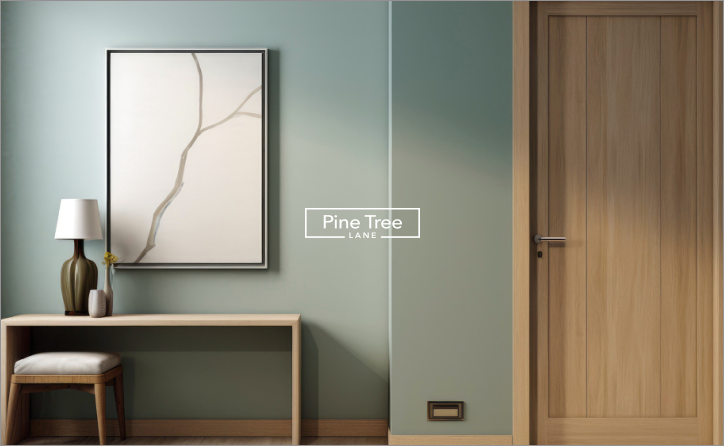
Aluminium has become a practical choice for modern residential projects because it combines a clean appearance with relatively low maintenance.
Pine Tree Lane provides aluminium and UPVC doors and windows for residential applications where durability, practical performance, and modern design are important.
Low maintenance: Aluminium generally needs less surface maintenance than natural timber.
Suitable for exterior areas: It is a practical material for doors exposed to sunlight, humidity, dust, and everyday outdoor conditions.
Modern appearance: Slim frames and clean lines complement contemporary villas and apartments.
Flexible applications: Aluminium can be used for entrance doors, balcony openings, sliding systems, folding systems, and glazed doors.
Lightweight material: Aluminium is generally lighter than many solid timber door assemblies, which can be useful for larger door designs.
For homeowners prioritising practicality and minimal upkeep, aluminium is often the stronger exterior option.
What About UPVC Doors and Windows?
Pine Tree Lane also supplies aluminium and UPVC doors and windows, and UPVC is worth a specific mention because it sits between timber and aluminium on both cost and insulation. It is a genuine third option for Dubai homes, not just an alternative name for aluminium.
In practice, many Dubai homes end up using all three materials: wood for interior character, aluminium for statement exteriors and large glazed openings, and UPVC where insulation value and cost efficiency are the priority.
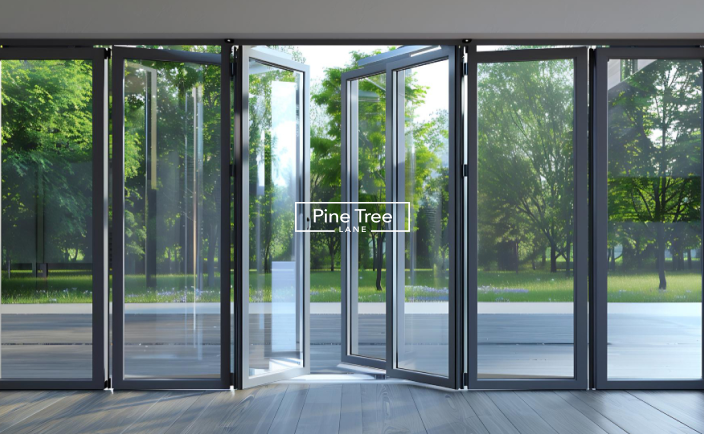
| Factor | Wooden Doors | Aluminium Doors |
|---|---|---|
| Natural appearance | Excellent | Good |
| Modern styling | Excellent | Excellent |
| Maintenance | Higher | Lower |
| Outdoor suitability | Good with protection | Very good |
| Humidity exposure | Requires appropriate finish | Generally well suited |
| Design flexibility | High | High |
| Interior applications | Excellent | Very good |
| Exterior applications | Good depending on exposure | Excellent |
| Estimated cost (2026, AED) | ~450–3,000+ for standard residential doors, more for premium solid hardwood | ~600–12,000+ depending on size, profile, and glazing |
| Typical lifespan | Roughly 15–25 years, longer for premium hardwoods with regular care | Roughly 30–45 years, sometimes 50+ with minimal maintenance |
| Best suited for | Interiors and statement entrances | Exterior and modern applications |
The comparison shows why there is no need to treat this as an either-or decision for the entire property.
A homeowner may choose wood for bedrooms and living spaces while using aluminium for balconies, terraces, garden openings, and other exterior locations.
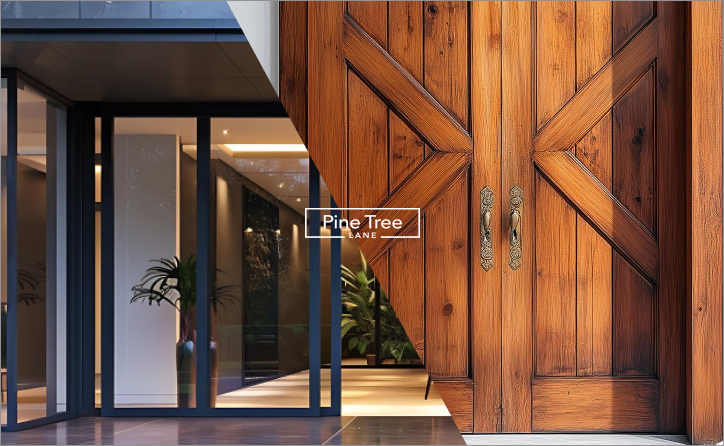
Main entrance: A wooden door is a strong choice when the priority is warmth and a premium statement entrance, particularly when the doorway is shaded or protected.
Aluminium is better suited when low maintenance, contemporary styling, and exposure resistance are higher priorities.
Bedrooms and interior rooms: Wooden doors are usually the better fit. Their natural appearance works particularly well with residential interiors.
Balcony and terrace doors: Aluminium is generally more practical because these doors are exposed to outdoor conditions and are often used frequently.
Garden and outdoor openings: Aluminium is often the preferred option for the same reason. It provides a practical frame for large glazed openings while keeping the design clean and contemporary.
Modern villas and apartments: Aluminium works especially well in modern architecture where slim frames, glass, and minimal lines are important. Wood can then be introduced as an accent to add warmth.
Putting it together: a four-bedroom villa example
Consider a four-bedroom Dubai villa with a large entrance, home office, living room, and garden-facing opening.
A sensible approach could be:
This example shows why a mixed-material approach can be more useful than selecting one material for every door in the house.
Maintenance is an important part of the long-term cost of a door.
Wood may require periodic attention to its surface finish, particularly when exposed to direct sunlight or moisture. Aluminium generally needs less ongoing surface care, although handles, locks, hinges, seals, tracks, and other hardware should still be inspected.
Exterior wooden doors in direct sun often need refinishing, re-oiling, staining, or repainting — roughly every 1–2 years, while shaded or interior wood can go considerably longer between treatments. Aluminium doors typically need only a wipe-down every few months, plus an annual check of hinges, tracks, and seals
A simple maintenance comparison is:
Wood: More attention to finish and protection.
Aluminium: Routine cleaning and hardware checks with generally lower surface-maintenance needs.
The actual service life of either material depends on product quality, construction, installation, environmental exposure, hardware, and maintenance.
Choosing the right material becomes much easier when you follow a practical process.
1. Identify the location: Determine whether the door is indoors, under a covered entrance, or fully exposed to outdoor conditions.
2. Check direct sunlight: A door facing strong afternoon sunlight needs more careful consideration than one installed in a shaded area.
3. Consider humidity and moisture: Outdoor areas, balconies, gardens, and spaces close to water need suitable materials and finishes.
4. Match the material to the architecture: Wood adds warmth and texture, while aluminium creates a cleaner contemporary appearance.
5. Consider maintenance: Think about how much time and attention you want to spend maintaining the door after installation.
6. Review the complete door system: Material is only one part of the decision. Hardware, hinges, locks, seals, frame design, glazing, and installation quality also affect performance.
For another door-planning consideration, see Pine Tree Lane’s guide to standard main door size for Dubai homes.
So, wooden vs aluminium doors—which is better for Dubai’s climate?
For most exterior applications, aluminium is the practical winner. Its low-maintenance characteristics, contemporary appearance, and suitability for outdoor applications make it a strong choice for Dubai villas and apartments.
Wooden doors still have an important role. They are particularly effective for bedrooms, studies, living areas, and protected entrances where natural texture and warmth are priorities.
The best solution is often a combination of both: aluminium where climate exposure and low maintenance matter most, and wood where interior character and visual warmth are the priority.
At Pine Tree Lane, we help homeowners in Dubai choose door materials and designs that suit their property’s architecture, usage, and environmental exposure.
Contact us to discuss your door requirements and find the right solution for your villa or apartment.
For most exterior applications, aluminium is generally the more practical option because it requires less surface maintenance and is well suited to outdoor exposure. Wooden doors can be an excellent option for interiors and protected entrances.
Yes. Properly selected, finished, installed, and maintained wooden doors can work well in Dubai. They are particularly suitable for interior applications and shaded entrances.
Aluminium is generally easier to maintain. Wooden doors can require more attention to their surface finish, particularly when they are exposed to sunlight and moisture.
Aluminium is usually the stronger choice for contemporary exterior applications because its clean profiles work well with modern architecture and large glazed openings. Wood can be used to add warmth to interior spaces.
Yes. Using both materials can be a practical design strategy. Aluminium can handle exterior and high-exposure areas, while wooden doors can create a warmer and more cohesive interior.
Prices vary widely by size, species, and specification, but general 2026 market ranges are roughly AED 450–3,000+ for wooden doors and AED 600–12,000+ for aluminium doors, with UPVC typically falling in between. These are general market estimates — confirm current pricing with Pine Tree Lane before publishing or quoting a customer.
Yes, particularly for windows and balcony doors where insulation and budget are priorities. UPVC offers strong heat and noise insulation with low maintenance, though aluminium remains the stronger choice where slim sightlines or very large openings are needed.


