Choosing between built-in vs freestanding wardrobes depends on your bedroom size, storage needs, available space, budget, and how permanent you want the furniture to be. Built-in wardrobes are fitted directly into the available wall space, while freestanding wardrobes can be moved or replaced more easily.
For homes in Dubai, both options can work well. Built-in wardrobes can make better use of awkward corners and full-height walls, while freestanding wardrobes offer greater flexibility if you move or change your bedroom layout.

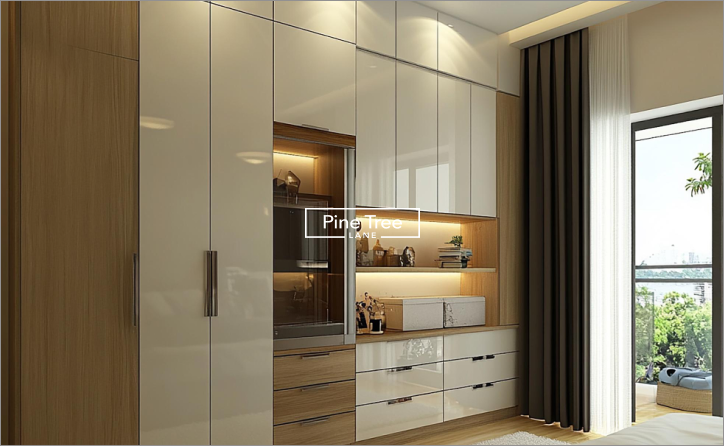
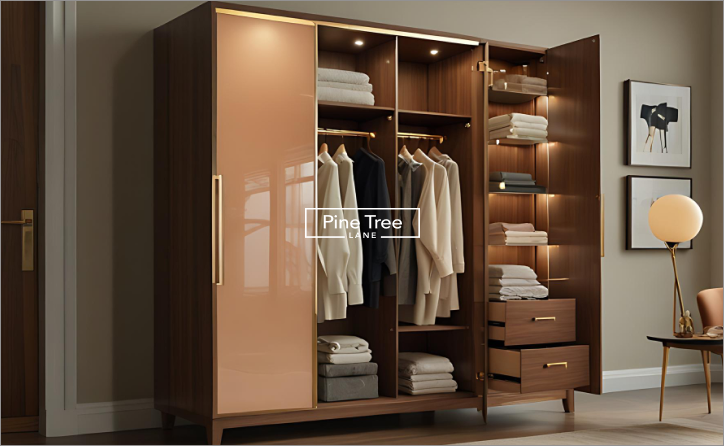
| Feature | Built-In Wardrobes | Freestanding Wardrobes |
|---|---|---|
| Installation | Fixed to the available space | Ready-made and movable |
| Space utilisation | Excellent | Depends on the unit size |
| Storage capacity | Can use full wall height and width | Limited to its dimensions |
| Design flexibility | High | Usually limited |
| Mobility | Not easy to move | Easy to move |
| Awkward spaces | Can be designed around them | May leave unused gaps |
| Floor-to-ceiling design | Easy to achieve | Usually limited |
| Initial installation | Generally higher | Generally lower |
| Best for | Permanent homes and planned interiors | Rental homes and flexible layouts |
| Typical cost (Dubai, master bedroom)* | AED 8,000–AED 35,000 | AED 3,000–AED 18,000 |
| Expected lifespan* | 15–25 years | 5–10 years (longer for premium units) |
*Estimated Dubai market ranges — verify current pricing before publishing.
Built-in wardrobes are designed and installed specifically for a particular space. They are usually fixed against a wall and can extend from floor to ceiling, allowing homeowners to use more of the available vertical and horizontal space.
Because they are designed around the room, built-in wardrobes can work particularly well in bedrooms with unusual wall dimensions, corners, alcoves, or limited floor space.
Built-in wardrobes generally require more planning and installation work than freestanding furniture. Once installed, they are also difficult to move to another room or property.
They may therefore be less suitable if you are renting or expect to move homes in the near future.

Freestanding wardrobes are independent furniture units that can be placed wherever there is sufficient floor and wall space. They are available in different sizes, styles, materials, and storage configurations.
Unlike built-in wardrobes, they do not need to be permanently integrated into the room.
Freestanding wardrobes may leave unused gaps between the furniture and the ceiling or walls. Standard sizes may also make it difficult to use every available part of a small or irregularly shaped bedroom.
For example, a wardrobe that is slightly narrower than the available wall may leave unused space on either side.
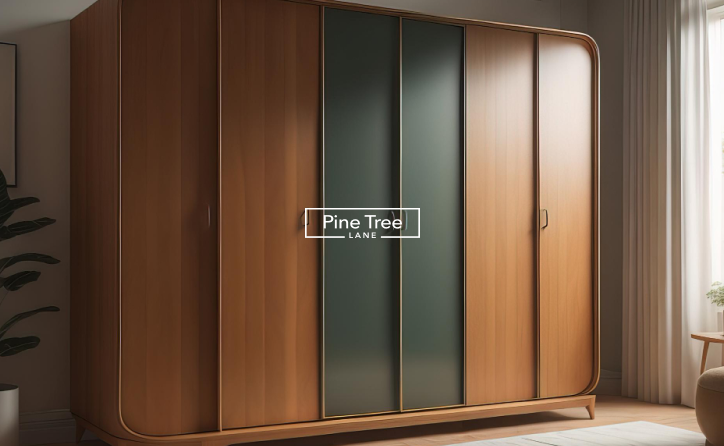
If your main priority is maximising storage, built-in wardrobes usually have the advantage.
A built-in wardrobe can be designed to use the full available wall width and height. This can be especially useful in compact bedrooms where every centimetre of storage matters.
Freestanding wardrobes depend on standard furniture dimensions. You may have plenty of room for a wardrobe but still end up with unused space above, beside, or behind it.
For smaller bedrooms, built-in storage can also help create a more organised appearance because the wardrobe becomes part of the room rather than appearing as a separate piece of furniture.
If you are planning a built-in unit, explore these built-in wardrobe layout ideas to see how different storage arrangements can work in a bedroom.
They can be designed to fit the exact available wall area and can include storage above the main hanging sections. Sliding doors can also reduce the amount of floor space needed in front of the wardrobe.
However, a freestanding wardrobe can still be a practical choice if you want a lower-cost or temporary storage solution.
When choosing a wardrobe for a small bedroom, consider:
The goal is not simply to fit the largest wardrobe possible. The wardrobe should provide enough storage while keeping the room comfortable to use.
Both wardrobe types can work in modern bedrooms, but built-in wardrobes generally offer greater design control.
A built-in unit can be coordinated with:
This allows the wardrobe to become part of the overall bedroom design.
Freestanding wardrobes can also look modern, particularly when you select a simple design with clean lines and a suitable finish. However, the available sizes and finishes may limit how closely the furniture matches the room.
Built-in wardrobes generally provide more flexibility because the internal layout can be planned around how you use the wardrobe.
For example, you could include:
Hanging Sections: Useful for shirts, dresses, jackets, trousers, and other clothing that needs to remain wrinkle-free.
Drawers: Suitable for smaller clothing items, accessories, and personal belongings.
Shelving: Useful for folded clothing, bags, boxes, and other items.
Shoe Storage: Dedicated compartments can keep footwear organised without taking up unnecessary floor space.
Upper Storage: The top section can store suitcases, seasonal clothing, bedding, and other items that are not used every day.
A freestanding wardrobe can also include many of these features, but you are generally limited by the manufacturer’s existing configuration.

For Dubai homeowners planning a long-term bedroom interior, built-in wardrobes can be a practical choice because they allow storage to be designed around the available room.
They can be particularly useful in:
Dubai apartments with compact bedrooms
Large villa bedrooms
Guest bedrooms
Children’s bedrooms
Master bedrooms
Bedrooms with unusual wall layouts
Freestanding wardrobes may be more appropriate for rented apartments or homes where furniture flexibility is important.
The right choice therefore depends on how long you expect to stay in the property and how much control you want over the bedroom layout.
Dubai’s climate adds a practical factor beyond layout and permanence. Built-in wardrobes are generally specified with moisture-resistant boards, sealed edges, and treated backing panels, which matter most in coastal areas such as Dubai Marina and Palm Jumeirah where humidity and AC-driven temperature cycling put more stress on furniture joints and finishes over time. Freestanding wardrobes vary widely on this point — premium pieces are often climate-treated, but budget flat-pack units usually are not, so it’s worth asking about board type and edge sealing before buying one for a humid part of the home.
Freestanding wardrobes often have a lower initial purchase and installation cost because they are manufactured as standalone furniture.
Built-in wardrobes can cost more because they involve design, measurements, materials, fabrication, installation, and internal storage planning.
However, price should not be the only consideration.
A built-in wardrobe can provide better use of space and more storage capacity, which may make the investment worthwhile for homeowners who plan to stay in the property for several years.
As a general guide, a standard built-in wardrobe for a master bedroom in Dubai typically costs around AED 8,000–AED 35,000 depending on materials, hardware, and finishes, while a comparable freestanding wardrobe typically costs around AED 3,000–AED 18,000. Because freestanding units leave gaps behind, above, and beside the cabinet, they can waste an estimated 20–30% of the apparent storage volume, which narrows the real cost-per-usable-litre gap between the two options. (Estimate — verify current pricing before publishing, as costs vary by supplier, materials, and project size.)
If the wardrobe is part of a wider bedroom or home project, professional wardrobe design and storage solutions can help you plan the available space before installation.
Properly designed and installed built-in wardrobes typically last around 15–25 years before needing significant work, since the carcass is anchored to the building and the finishes are less exposed to the stress of being moved. Freestanding wardrobes vary more: budget and flat-pack units often show wear — loose drawer slides, sagging hinges, peeling edges — within roughly 5–10 years, while premium freestanding pieces from established makers can last as long as a built-in. (Estimate — verify against manufacturer warranty terms before publishing.)
Both wardrobe types need only light, occasional upkeep:
This is where freestanding wardrobes have a clear advantage.
A freestanding wardrobe can generally be moved from one room to another, provided the new location has enough space. It can also be transported when moving to a new home.
Built-in wardrobes are fixed to the room and designed for specific dimensions. Removing them may require dismantling work and can affect the surrounding wall or finishes.
On timing: a built-in wardrobe project typically takes around 4–6 weeks from signed design to installation, with the physical fit-out itself usually completed in 1–3 days. A freestanding wardrobe, by contrast, can usually be delivered within days of purchase and assembled in a few hours. (Estimate — verify against your own supplier lead times before publishing.)
If you are renting or expect to relocate soon, a freestanding wardrobe may therefore be the more practical choice.

There is no single wardrobe solution that works for every home.
Built-in wardrobes are usually the better choice for homeowners who want maximum storage, better use of space, and a wardrobe that forms part of the bedroom design.
Freestanding wardrobes are better for people who prioritise flexibility, mobility, simpler installation, or a lower initial investment.
For a permanent home, especially a bedroom where space needs to be used efficiently, a built-in wardrobe can provide a more integrated solution. For rental properties or temporary living arrangements, freestanding furniture can offer the flexibility you need.
Before choosing, consider your bedroom dimensions, storage requirements, budget, property type, and how long you expect to stay in the home.
When comparing built-in vs freestanding wardrobes, the best option depends on your space and priorities. Built-in wardrobes provide greater control over dimensions, storage layouts, and overall bedroom design, while freestanding wardrobes offer mobility and flexibility.
If you are renovating or designing a permanent home, a built-in wardrobe can be a strong choice for making full use of your available space. If you need a wardrobe that can move with you, a freestanding option may make more sense.
The most important step is to assess your bedroom before choosing the wardrobe type. Measure the available wall space, consider door clearance, identify your storage needs, and decide whether you want a permanent or flexible solution.
Built-in wardrobes are generally better for maximising storage and using awkward or full-height spaces. Freestanding wardrobes are better when flexibility and mobility are more important.
Yes. Built-in wardrobes can make efficient use of limited wall space and can be designed around the dimensions of a small bedroom.
Freestanding wardrobes are often less expensive initially because they require less design and installation work. The final cost depends on the size, materials, finish, and storage features.
Built-in wardrobes are designed for a specific location and are not easy to move. Removing them may require dismantling and additional work.
Freestanding wardrobes are usually more suitable for rental properties because they can be moved or taken to another home.


