Bathroom renovation costs in Dubai can vary widely depending on the size of the bathroom, the condition of the existing space, the materials selected, plumbing changes, and the amount of work required. A simple cosmetic update may cost much less than a complete renovation involving new plumbing, waterproofing, tiles, sanitaryware, lighting, and cabinetry.
Before starting a renovation, it is useful to understand what contributes to the total cost and which decisions can change the budget.
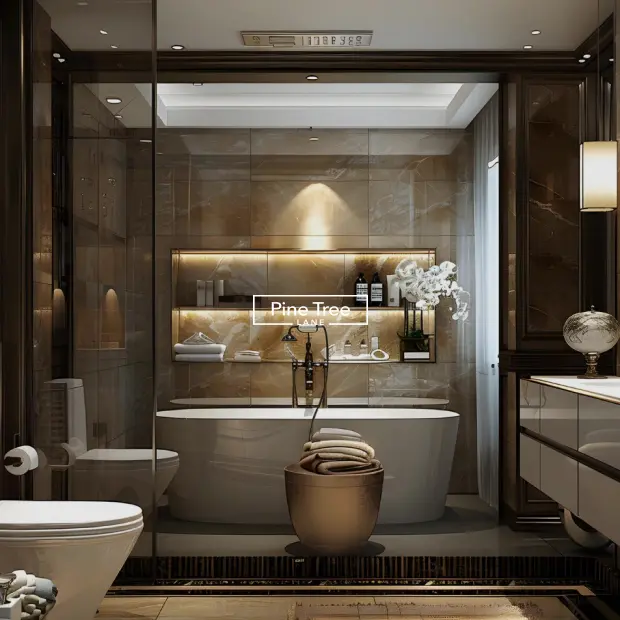

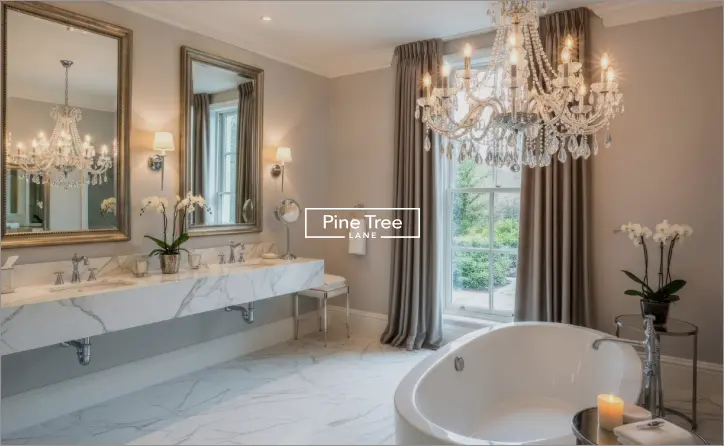
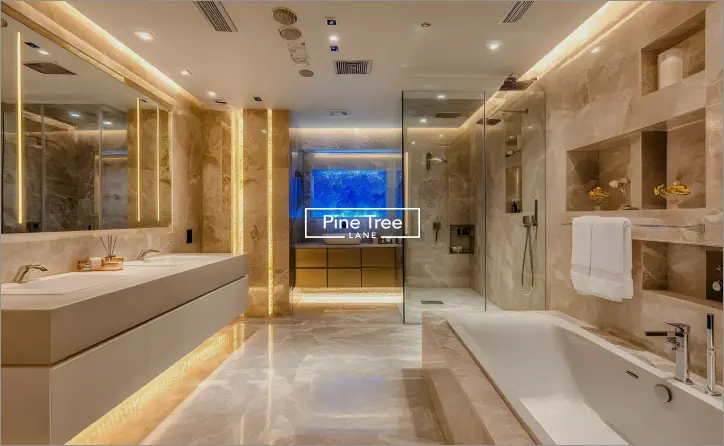
The table below provides general estimated ranges for different levels of bathroom renovation in Dubai.
| Renovation Type | Estimated Cost | What It Typically Includes |
|---|---|---|
| Cosmetic refresh | AED 8,000–18,000 | Paint, new mixers and accessories, mirror, vanity or WC swap, regrouting and fresh silicone. No tile removal or plumbing changes. |
| Standard full renovation | AED 18,000–50,000 | Strip-out, new waterproofing with a flood test, new wall and floor tiles, standard sanitaryware, vanity, shower screen, lighting and exhaust fan. Existing layout kept. |
| Premium renovation | AED 50,000–90,000+ | Large-format or stone-look tiles, wall-hung WC with concealed cistern, custom vanity, concealed mixers and rain shower, niches and feature lighting. |
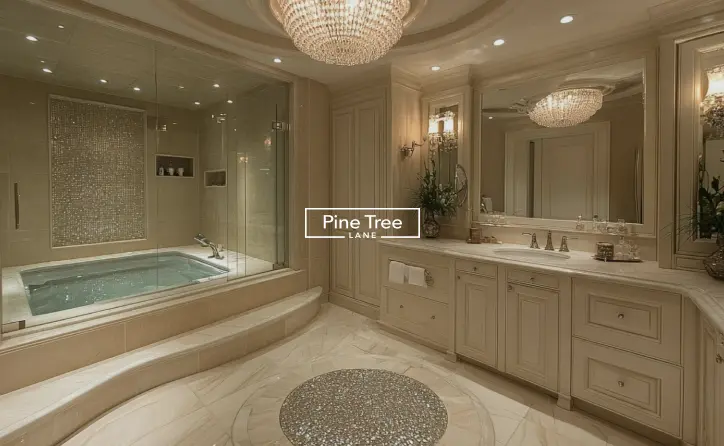
| Luxury renovation | AED 90,000–180,000+ | Natural stone, freestanding bath, walk-in shower, designer sanitaryware, bespoke joinery, layout redesign and smart features. |
These figures are indicative estimates rather than fixed market prices. The actual quotation depends on the bathroom size, existing condition, materials, access, labour requirements, and project scope.
Size changes the quantity of tiles, waterproofing and labour, so the same finish level costs more in a larger room. The ranges below assume a full renovation with mid-range finishes.
Size changes the quantity of tiles, waterproofing and labour, so the same finish level costs more in a larger room. The ranges below assume a full renovation with mid-range finishes.
| Bathroom Type | Typical Size | Estimated Cost (AED) |
|---|---|---|
| Guest WC or powder room (no shower) | 2–3 m² | 10,000–18,000 |
| Apartment bathroom | 3.5–5 m² | 18,000–35,000 |
| Villa bathroom or master en-suite | 6–10 m² | 30,000–55,000 |
| Large master bathroom (bath, walk-in shower, double vanity) | 10 m² and above | 50,000–90,000+ |
Premium or luxury finishes move each figure toward the higher tiers in the first table.
The table below shows indicative supply-and-install ranges for the main parts of a standard bathroom renovation in Dubai. Comparing a quotation line by line against these ranges makes it easier to see where the money is going.
| Item | Typical Cost (AED) | Notes |
|---|---|---|
| Demolition, strip-out and debris disposal | 800–2,500 | Higher if old screed or waterproofing must be broken out |
| Plumbing (supply lines, valves, concealed mixers) | 2,000–6,000 | Existing layout kept; relocating fixtures costs more |
| Waterproofing membrane | 25–45 per m² | Plus screed for floor falls and a 24–48 hour flood test |
| Tiles (material) | 25–180 per m² | Ceramic to porcelain; marble and natural stone 300–400+ per m² |
| Tiling labour | 45–150 per m² | Standard floors at the lower end; walls and large-format tiles higher |
| Toilet | 500–2,500 | Wall-hung WC with concealed cistern costs more |
| Vanity unit with basin | 1,000–4,000 | Ready-made units; made-to-measure vanities cost more |
| Shower enclosure or bathtub | 1,500–5,500 | Frameless or custom glass at the upper end |
| Lighting, exhaust fan and electrical points | 800–2,500 | More for smart or feature lighting |
The size of the bathroom affects the amount of flooring, wall tiles, paint, waterproofing, cabinetry, and other materials required. However, size is only one part of the calculation.
A small bathroom can still become expensive if the renovation involves moving plumbing lines, replacing concealed pipes, installing new electrical points, or changing the entire layout.
For an apartment or villa bathroom, the first step is to identify whether the project is a surface-level update or a complete renovation.
Plumbing work can have a significant effect on renovation costs.
Keeping the existing toilet, shower, basin, and drainage positions may reduce the amount of pipework required. Moving these fixtures can involve breaking floors or walls, installing new drainage connections, and carrying out additional testing before finishing work.
Replacing supply pipes, valves and concealed mixers without moving any fixtures typically costs roughly around AED 2,000–6,000. Relocating a toilet or shower drain costs more because the floor screed, drainage fall and waterproofing around the new position all have to be rebuilt.
The condition of existing plumbing should also be checked before new finishes are installed. Replacing damaged or outdated pipes during the renovation can prevent the need to reopen finished surfaces later.
Waterproofing is an important part of bathroom renovation because the room is exposed to regular moisture and water.
The waterproofing system may cover areas such as shower zones, floors, wall junctions, and other wet areas. The floor also needs the correct fall toward the drain to support proper water flow.
In Dubai, a liquid waterproofing membrane typically costs roughly around AED 25–45 per m² supplied and applied.
For an overview of the available service, see bathroom renovation in Dubai and the work involved in planning a bathroom project.
Tiles can represent a substantial part of the renovation budget. Cost depends on the material, size, pattern, finish, quantity, and installation requirements.
Large-format tiles may create a cleaner visual appearance but can require more careful handling and installation. Natural stone, decorative tiles, and specialist finishes can also increase material and installation costs.
For budget planning, it is useful to calculate both the material requirement and installation cost rather than looking only at the tile price.
Toilets, wash basins, showers, faucets, bathtubs, and other bathroom fixtures come in a wide range of prices.
The final cost depends on the number of fixtures, specifications, brand, finish, installation requirements, and whether existing items can be reused.
A renovation with basic sanitaryware will have a different budget from one featuring concealed fittings, rain showers, freestanding bathtubs, or other higher-specification fixtures.
Bathroom storage can be another cost factor. A vanity may include drawers, doors, shelves, countertop material, mirrors, and integrated lighting.
Made-to-measure cabinetry can be useful when the bathroom has an unusual wall length or limited storage space. The price will depend on dimensions, materials, hardware, finish, and internal configuration.
In a humid bathroom, moisture-resistant board, fully sealed edges and corrosion-resistant hardware last noticeably longer than standard MDF. Ready-made vanity units with a basin typically start around AED 1,000–4,000, while a made-to-measure vanity costs more depending on length, materials and finish.
Electrical requirements should be considered before walls and ceilings are finished.
A renovation may include new lighting points, mirror lighting, exhaust fans, water-heater connections, switches, sockets, and other electrical requirements.
Ventilation is particularly important in bathrooms because regular moisture can affect finishes and fittings. The existing ventilation arrangement should be assessed as part of the renovation scope.
Lighting, a new exhaust fan and additional electrical points typically cost around AED 800–2,500 in total. For extraction, ASHRAE Standard 62.2 sets a minimum of 50 cfm (about 24 litres per second) for a bathroom fan used on demand, or 20 cfm (about 10 litres per second) for one running continuously, and the fan should vent outside rather than into the ceiling void. Light fittings in or near the shower should be rated for wet areas. Many Dubai bathrooms also house an electric water heater in the ceiling, so replacing an ageing unit before the new ceiling goes up avoids reopening it later.
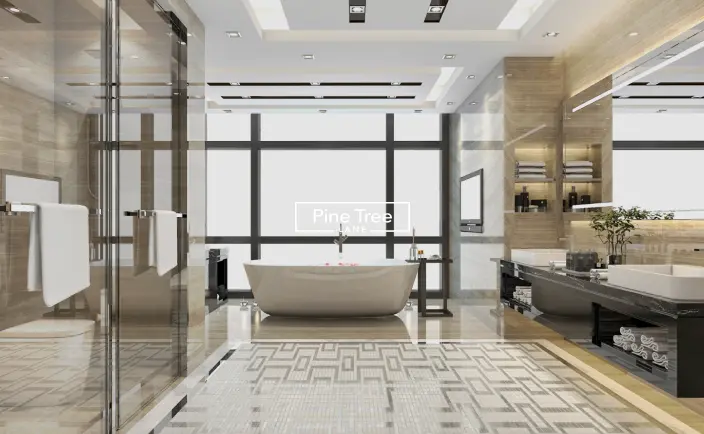
Bathroom renovation costs in Dubai can also vary according to the property and building.
Apartment and villa projects may have different access requirements, working-hour restrictions, approval processes, parking arrangements, and material-handling conditions.
Older properties may also require more repair work once existing tiles, ceilings, or fixtures are removed. In contrast, a relatively new bathroom with sound plumbing and waterproofing may require less structural work.
The quotation should therefore account for the actual site condition rather than relying only on a standard price per square metre.
Almost every apartment building in Dubai requires a no-objection certificate (NOC) from building management before renovation work starts. Many buildings also limit noisy work to daytime hours on working days (commonly around 8 am to 6 pm), require service-lift bookings and corridor protection, and hold a refundable security deposit against damage to common areas.
Building or community NOCs typically take around 5–15 working days, and refundable deposits reported across Dubai buildings and communities range from roughly AED 2,000 to AED 20,000. In apartments, the position of the shared drainage stack also limits how far a toilet or shower drain can move.
Villas in master-planned communities usually need an NOC from the master developer or community management before work begins. Where the renovation includes structural work or significant plumbing and drainage changes, a building permit from the relevant authority, such as Dubai Municipality, Trakhees or the Dubai Development Authority depending on location, may also be required, and only licensed contractors can apply for it. A like-for-like bathroom renovation usually involves fewer approvals than one that changes the layout. Requirements vary by building and community, so confirm them with management before booking a contractor.
Under Article 19 of Dubai Law No. 26 of 2007, which regulates the relationship between landlords and tenants, a tenant may not make changes or carry out renovation works without the landlord’s permission and any licences required by the authorities. Tenants should get written approval before asking for quotations.
Dubai’s humid summers make ventilation, sealed joints and moisture-resistant materials more important than in drier climates, because a bathroom that cannot dry out between uses is prone to mould. Dubai’s tap water is desalinated and then remineralised, and mineral spotting on shower glass, chrome and shower heads is a common maintenance complaint. Easy-clean coated glass, epoxy grout in the shower and regular descaling help keep a new bathroom looking new.
UAE VAT is charged at 5% on renovation services, so check whether each quotation is inclusive or exclusive of VAT before comparing totals. NOC fees, refundable deposits and debris disposal are also sometimes listed separately or left out altogether.
A clear renovation scope can make budgeting easier.
Before work begins, decide which elements need to be replaced and which can remain. Keeping the existing layout can reduce plumbing work, while selecting standard-size fixtures may simplify installation.
It is also useful to compare quotations based on the same scope. A lower initial price may not represent a lower final cost if important items such as waterproofing, demolition, disposal, electrical work, or installation are excluded.
If the room is compact, these small bathroom design ideas can help you think through layout and storage before finalising the renovation scope.
Before approving a quotation, check whether it clearly covers:
Warranty terms vary widely. Many bathroom contractors in Dubai offer one to two years of cover, so ask what is included and for how long. Pine Tree Lane’s bathroom renovations, for example, carry a 10-year warranty on the joinery, installation and finish.
A detailed scope makes it easier to compare quotations and identify potential additional costs before work starts.
The timeline depends on the size of the bathroom and the amount of work involved.
A full renovation may include demolition, plumbing, electrical work, waterproofing, floor preparation, tiling, ceiling work, cabinetry, sanitaryware installation, and final finishing.
For many standard projects, the renovation may take around 10–15 working days, although the actual schedule can vary depending on site conditions, material availability, approvals, and the complexity of the renovation.
A typical sequence for a standard bathroom looks like this:
| Stage | Typical Duration |
|---|---|
| Building or community approval (before work starts) | 5–15 working days |
| Strip-out and debris removal | 1–2 days |
| Plumbing and electrical first fix | 1–2 days |
| Screed for falls, waterproofing and flood test | 3–4 days |
| Tiling and grouting | 2–4 days |
| Vanity, sanitaryware, shower glass and lighting | 2–3 days |
| Silicone, snagging, cleaning and handover | 1 day |
A well-built bathroom should last 15–20 years or more before it needs another full renovation, but individual parts wear at different rates. Small, regular maintenance protects the bigger investment in waterproofing and tiling.
| Component | Typical Lifespan | Maintenance |
|---|---|---|
| Porcelain or ceramic tiles | 20+ years | Clean with a pH-neutral cleaner and replace cracked tiles promptly |
| Cement-based grout | 10+ years | Seal every 12–24 months; epoxy grout needs no sealing |
| Silicone joints | 1–5 years | Inspect yearly and replace at the first sign of mould or gaps |
| Mixers and faucets | 15–20 years | Descale aerators and shower heads every few months |
| Toilet | Up to 50 years | Flush valve and seals need replacing sooner |
| Shower glass door or screen | 20+ years | Squeegee after use to limit mineral spotting |
| Exhaust fan | Around 10 years | Clean the grille and check airflow yearly |
| Electric water heater | Around 10 years | Service yearly, including the anode |
| Bathroom vanity | Around 20 years | Keep edges sealed and wipe away standing water |
Dubai’s heat and humidity can shorten the life of silicone and grout sealers, so an annual check is worth building into the budget.
Bathroom renovation costs in Dubai depend on much more than the size of the room. Plumbing, waterproofing, tiles, sanitaryware, cabinetry, electrical work, labour, materials, and property-specific requirements can all influence the final budget.
The most useful way to plan a renovation is to define the scope clearly, inspect the existing bathroom, identify which elements need replacement, and compare quotations based on the same inclusions.
With a clear plan and realistic budget, homeowners can make decisions about materials, layout, fixtures, storage, and finishing work before renovation begins.
A standard full bathroom renovation may cost around AED 18,000–50,000 as an indicative range. Smaller cosmetic projects may cost less, while premium and luxury renovations can exceed AED 50,000 or AED 90,000 respectively.
There is no single cost factor for every project. Plumbing changes, tiles, sanitaryware, waterproofing, cabinetry, labour, and the overall scope can all affect the final quotation.
It can. Moving fixtures may require additional plumbing, drainage, electrical work, demolition, and floor or wall repairs.
Keeping the existing layout, selecting materials according to the available budget, comparing detailed quotations, and defining the renovation scope before work begins can help control costs.
A standard full renovation may take around 10–15 working days, but the actual timeline depends on the scope, site conditions, materials, approvals, and installation requirements.


