A bathroom should be comfortable, functional and easy to maintain. However, constant exposure to moisture, daily use and ageing fixtures can lead to problems that affect its appearance and performance. Leaking pipes, damaged tiles, poor ventilation, limited storage and outdated fittings are common issues that may indicate the need for repairs or renovation.
For homeowners in Dubai, bathroom renovation planning also requires attention to moisture control, material selection, plumbing requirements and building approvals. Identifying the underlying problems before replacing finishes can help prevent recurring damage and make the renovation more effective.
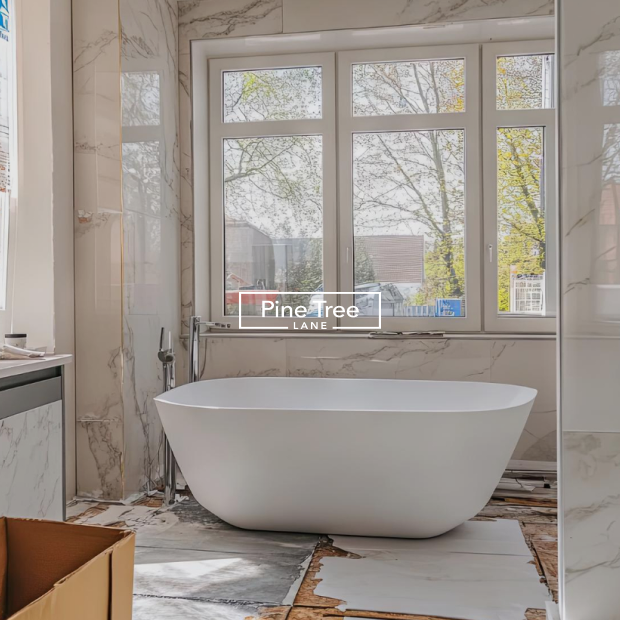
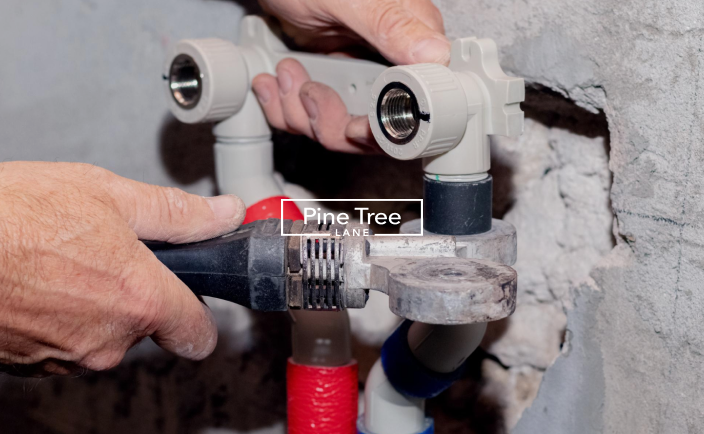
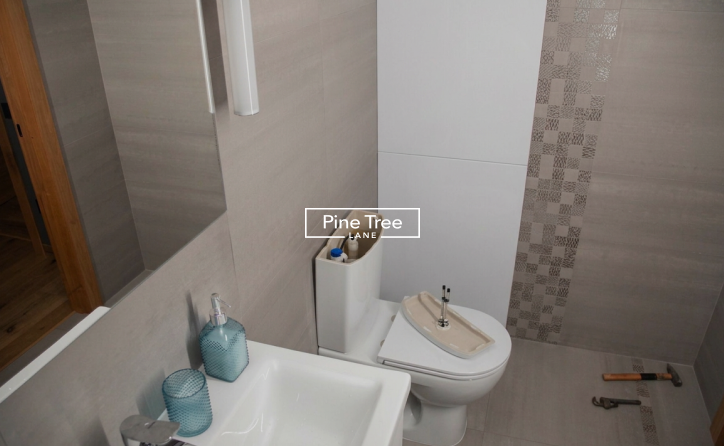
Water leaking around showers, bathtubs, washbasins or toilets is one of the most important bathroom problems to investigate. Persistent damp patches, loose tiles, peeling paint or water appearing in adjoining rooms may indicate a plumbing leak or failed waterproofing.
Solution: Identify the source before replacing tiles or repainting affected areas. A qualified professional can inspect the plumbing, joints, drainage and waterproofing system to determine the necessary repairs. Damaged waterproofing may require removing affected finishes and applying a suitable replacement system.
In Dubai apartments, water damage can also affect neighbouring units, so suspected leaks should be addressed promptly and reported to building management when necessary.
Bathrooms generate considerable moisture through showers and hot water. Without adequate ventilation, condensation can accumulate on ceilings, mirrors, walls and window surfaces. Persistent moisture may encourage mould growth and leave an unpleasant musty smell.
Solution: Check whether the existing exhaust fan is functioning correctly and whether air can circulate effectively. Depending on the bathroom, improvements may include repairing or upgrading the ventilation system, addressing moisture entry and selecting finishes suitable for humid conditions.
Cleaning visible mould without resolving the source of moisture may only provide temporary relief. Persistent or widespread mould should be assessed appropriately before renovation work begins.
Cracked floor tiles, missing grout and deteriorating sealant can make a bathroom look worn. They may also allow water to penetrate beneath tiled surfaces, depending on the condition of the underlying waterproofing.
Solution: Determine whether the damage is limited to the tile or grout or reflects a deeper problem, such as substrate movement or moisture damage. Replace damaged materials and renew suitable grout and sealant where necessary. If several areas show similar deterioration, a more comprehensive assessment may be appropriate.
For bathroom flooring and walls, select tiles that suit the intended application, with slip resistance being particularly important for wet floor areas.
Water collecting around a shower drain or taking too long to leave a washbasin can make a bathroom inconvenient. Hair, soap residue, blocked pipes, poor drainage gradients or problems with plumbing traps may contribute to the issue. Persistent sewer-like smells can also indicate a drainage or trap problem.
Solution: Begin by checking for accessible blockages and cleaning drain covers. If slow drainage or odours continue, arrange a plumbing inspection to identify the cause. During renovation, review drain positioning, pipe access and floor gradients before installing new finishes.
Avoid covering drains or sealing access points in ways that make future maintenance difficult.
An older bathroom may have bulky fittings, awkward door clearances, insufficient shower space or a washbasin that leaves little usable counter area. These problems can make daily routines less comfortable, particularly in compact Dubai apartments.
Solution: Review how the bathroom is used before selecting new fixtures. Wall-mounted storage, appropriately sized vanities, well-positioned mirrors and practical shower enclosures can improve functionality without necessarily changing the entire layout.
Where space is limited, thoughtful planning can make a noticeable difference. These bathroom design ideas for small spaces can help homeowners consider storage, fittings and layout options before committing to major changes.
Relocating toilets, shower drains or water supply points may involve additional plumbing work and approvals, so confirm feasibility before finalising the design.
Limited cabinet space can leave toiletries, cleaning products and towels spread across countertops. In smaller bathrooms, freestanding storage may also obstruct movement or make cleaning more difficult.
Solution: Introduce storage that suits the available space. Options include vanity drawers, mirrored cabinets, recessed shelving where practical and tall storage units positioned away from wet areas. Moisture-resistant materials and appropriate hardware are important for cabinetry used in bathrooms.
Plan storage around daily requirements rather than adding cabinets wherever space is available. This helps maintain clear surfaces and preserves comfortable movement around the room.
Insufficient lighting can make a bathroom feel dark and make everyday activities such as shaving, applying skincare or grooming more difficult. Poorly positioned lights may also create shadows around mirrors.
Solution: Consider a combination of general lighting and focused illumination around the mirror. Choose fittings designed for the bathroom’s moisture conditions and ensure that electrical work complies with applicable safety requirements.
Electrical points, switches and lighting should be planned alongside the layout, ventilation and mirror placement. A qualified electrician should assess any necessary changes, particularly in areas exposed to water.
Peeling paint, swollen cabinet panels, corroded hardware and deteriorating sealant can make a bathroom appear poorly maintained. These issues may result from age, repeated exposure to moisture, unsuitable materials or inadequate ventilation.
Solution: Identify why the materials have deteriorated before replacing them. Repair ventilation or plumbing issues first, then select suitable moisture-resistant finishes, bathroom-rated paint, durable cabinet materials and corrosion-resistant hardware.
Replacing several worn elements together can help create a consistent finish. However, if the damage is caused by an unresolved leak, cosmetic upgrades should wait until the source has been repaired.
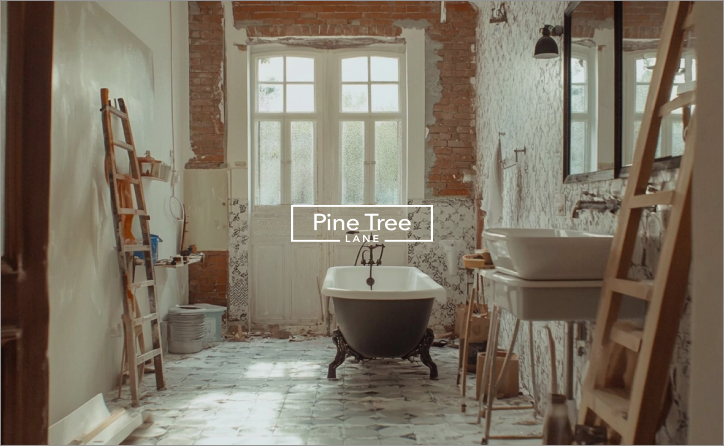
Before beginning work, assess the bathroom’s condition and separate essential repairs from design improvements. Waterproofing, plumbing, drainage and electrical safety should take priority over decorative finishes.
Use the following checklist to prepare for the project:
For homeowners planning a wider property upgrade, apartment renovation in Dubai may also be worth considering when bathroom issues are part of broader problems involving flooring, cabinetry, finishes or the apartment’s overall layout.
The appropriate solution depends on the extent and cause of the damage.
| Situation | Possible approach |
|---|---|
| A single loose handle or minor fixture issue | Targeted repair or replacement |
| Localised grout deterioration without underlying damage | Repair affected grout and sealant |
| Repeated leaks or suspected waterproofing failure | Professional inspection and appropriate remedial work |
| Multiple damaged finishes and outdated fixtures | Consider a coordinated bathroom renovation |
| Persistent layout, storage and ventilation problems | Review the overall design and renovation scope |
These are general guidelines rather than a substitute for inspection. A small visible defect can sometimes conceal a more serious underlying problem, while an older bathroom may only need a few targeted improvements.
The appropriate solution depends on the extent and cause of the damage.
| Situation | Possible approach | Indicative cost (AED) |
|---|---|---|
| A single loose handle or minor fixture issue | Targeted repair or replacement | 150–800 |
| Localised grout deterioration without underlying damage | Repair affected grout and sealant | 500–2,000 |
| Repeated leaks or suspected waterproofing failure | Professional inspection and appropriate remedial work | 4,000–12,000, plus any damage below |
| Multiple damaged finishes and outdated fixtures | Consider a coordinated bathroom renovation | 12,000–40,000 for a standard bathroom |
| Persistent layout, storage and ventilation problems | Review the overall design and renovation scope | 20,000–65,000+ where fixtures move |
These are general guidelines rather than a substitute for inspection. A small visible defect can sometimes conceal a more serious underlying problem, while an older bathroom may only need a few targeted improvements.
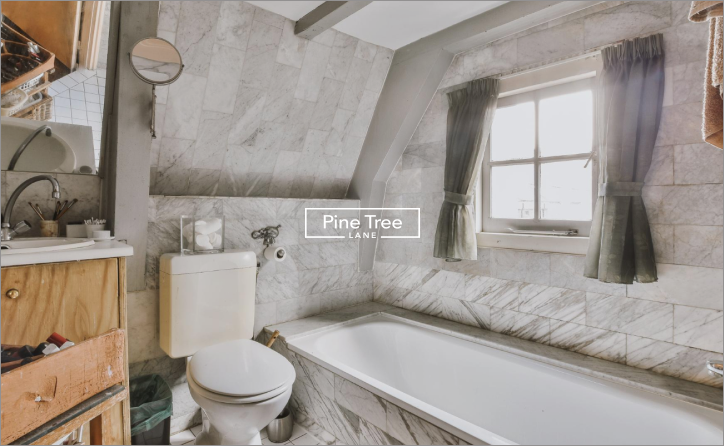
Common bathroom renovation problems include water leaks, mould, damaged grout, slow drainage, outdated fixtures, insufficient storage and poor lighting. The most effective solutions address the cause of each problem rather than simply covering visible damage.
By inspecting the bathroom carefully, prioritising essential repairs and selecting suitable materials, homeowners can make better decisions about whether to repair individual components or renovate the entire space. Planning the layout, budget and building requirements in advance can also help reduce avoidable changes during the project.
For a professionally managed project survey, waterproofing, approvals and finishing under one contract see Pine Tree Lane’s bathroom renovation in Dubai service.
Leaks, deteriorating grout, poor ventilation and outdated fixtures are common bathroom concerns. The most appropriate solution depends on the underlying cause and the extent of the damage.
Maintain effective ventilation, repair leaks promptly, keep wet surfaces clean and allow moisture to escape after showers. Persistent condensation may require an assessment of the ventilation system.
Not necessarily. Its condition should be assessed based on the existing installation, signs of water damage and the planned work. Where waterproofing has failed or must be disturbed, suitable remedial work may be necessary.
Requirements depend on the building, the scope of work and the relevant authorities. Check with building management about NOCs and other approvals before starting construction.
Use appropriately sized fixtures, practical vanity storage, well-positioned lighting and a layout that preserves clear movement. Wall-mounted or recessed storage may help where the existing structure permits it.
A correctly applied liquid or sheet membrane lasts 10–20 years; most Dubai contractors warrant it for 5–10. It fails early when applied in one coat, not turned up the walls, not flood-tested, or punctured later by drilling for accessories so fix glass screens and grab rails with sealed anchors, not through-bolts in the wet zone


