Choosing the right bathroom materials can improve the appearance, comfort and practicality of your home. In Dubai, bathrooms need materials that handle regular moisture, frequent cleaning and everyday use while maintaining their finish over time. From flooring and wall tiles to vanity countertops and cabinets, each material should suit its intended purpose.
Whether you are updating a small apartment bathroom or redesigning a spacious villa bathroom, understanding the advantages of different materials can help you make informed decisions. The right combination of durability, maintenance and design can create a bathroom that looks elegant and remains functional for years.
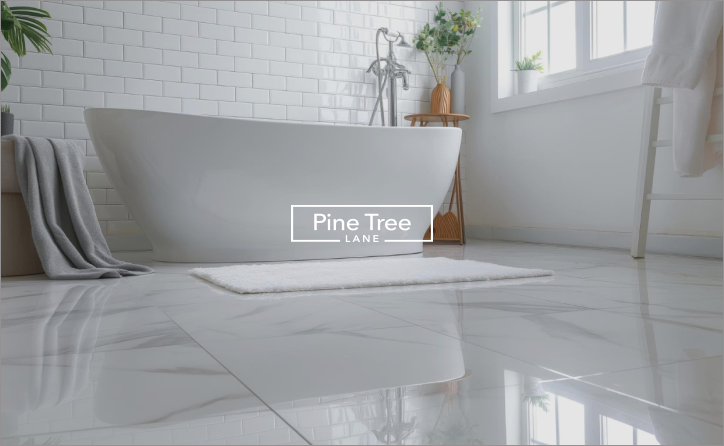
Porcelain tiles are a popular choice for modern bathrooms because they have low water absorption (0.5% or less by weight under ISO 13006, Group BIa, compared with 3% to more than 10% for standard ceramic tiles) and are available in numerous colours, patterns and finishes. They can replicate the appearance of marble, limestone and concrete without requiring the same maintenance as some natural stones.
For bathroom floors, choose a finish with suitable slip resistance for wet conditions. Matte or textured surfaces may be more practical than highly polished tiles in shower areas, depending on their specifications.
Porcelain also works well on walls, around vanity units and in shower enclosures. However, tiles alone do not provide complete waterproofing. Proper substrate preparation, waterproofing and installation remain essential.
Best for: Bathroom flooring, shower walls and contemporary interiors.
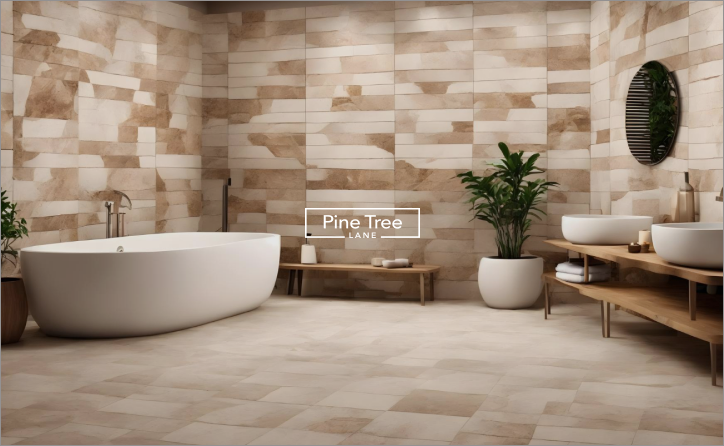
Ceramic tiles offer flexibility in design and can be a cost-effective alternative to porcelain. Their wide selection of colours, decorative patterns and sizes makes them suitable for bathrooms with different styles and budgets.
They are particularly useful for wall applications, splashbacks and decorative sections. However, ceramic products vary in durability and water absorption, so check the manufacturer’s specifications before selecting them for floors or wet areas.
Pairing decorative ceramic wall tiles with durable flooring can create an attractive bathroom without making every surface a premium-material expense.
Best for: Bathroom walls, decorative features and budget-conscious renovations.
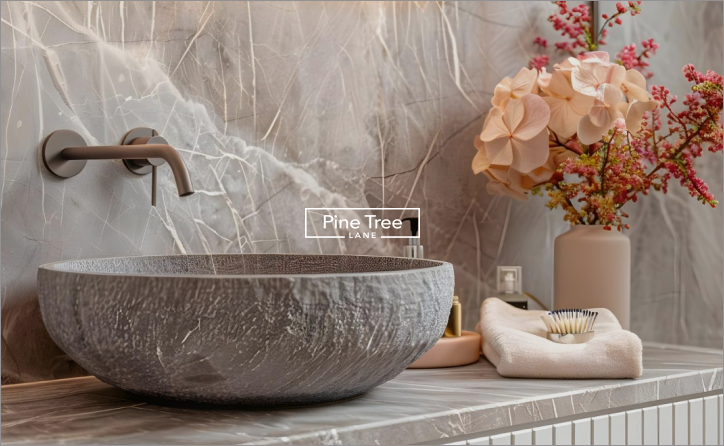
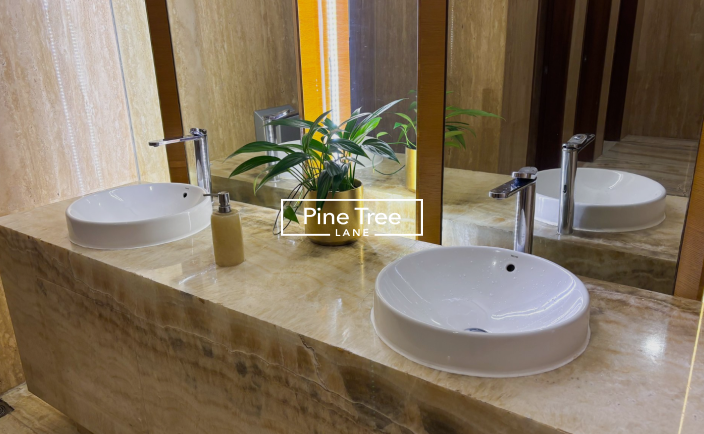
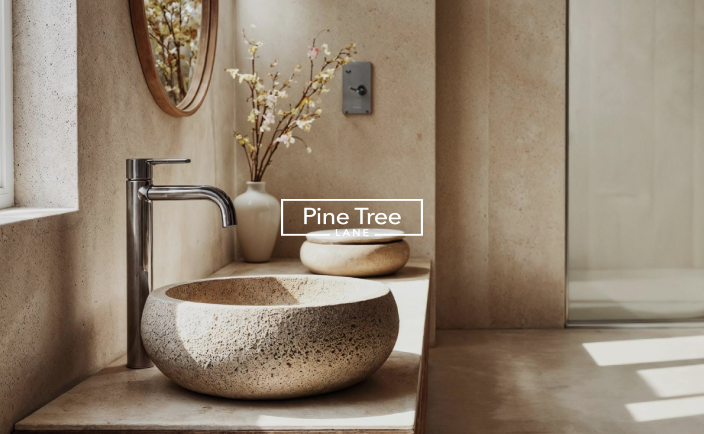
Marble, travertine and other natural stones bring distinctive patterns, textures and colour variations to bathroom interiors. They can create an elegant appearance when used for vanity countertops, feature walls, flooring or selected shower surfaces.
Natural stone generally requires more attention than many manufactured alternatives. Some varieties are porous and need sealing, while marble can be damaged by acidic cleaners. The surface finish also affects its suitability for wet flooring.
For Dubai homes, consider using natural stone in carefully selected areas to create a statement while keeping maintenance manageable. Always confirm that the chosen stone and finish are suitable for the intended application.
Best for: Premium vanity tops, feature walls and luxury bathroom designs.
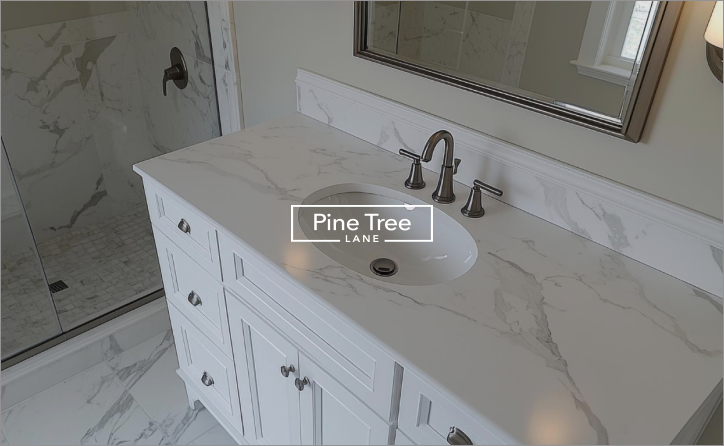
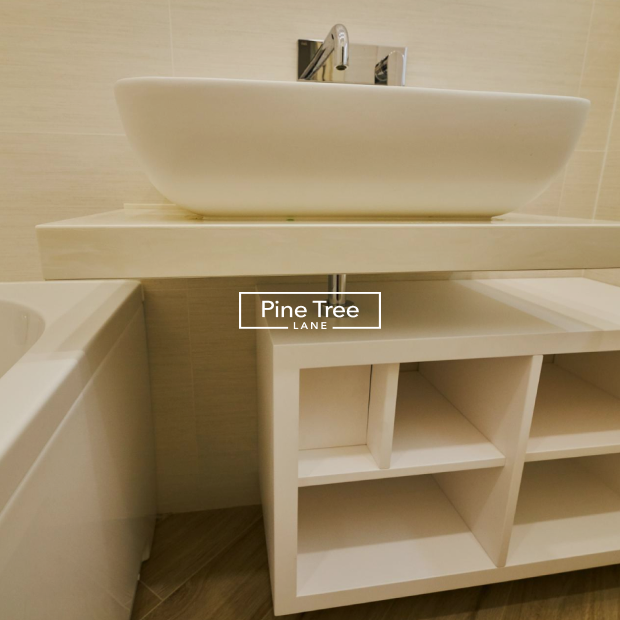
Bathroom vanity countertops must withstand water splashes, cosmetics, toiletries and regular cleaning. Engineered quartz provides a consistent appearance and is generally easy to maintain under normal bathroom conditions.
Solid-surface materials offer another option, with certain products allowing integrated basins and seamless-looking transitions. Depending on the material, scratches may be repairable, although resistance to heat, chemicals and impact varies.
Before choosing a countertop, consider the basin design, tap placement, available storage and cleaning requirements. The countertop should complement the bathroom’s overall style while remaining practical for daily use.
Best for: Vanity units, modern bathrooms and minimalist interiors.
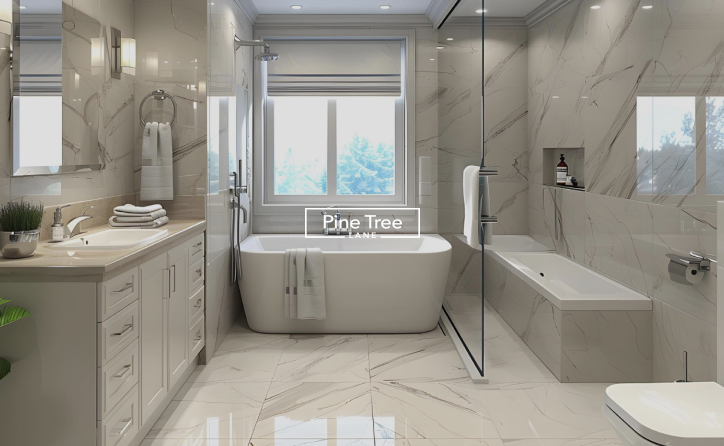
Bathroom cabinets are regularly exposed to humidity, splashes and potential plumbing leaks. Materials that are unsuitable for damp environments may swell or deteriorate if water reaches their edges or joints.
Moisture-resistant MDF, appropriately specified plywood and other bathroom-suitable cabinet systems can provide useful storage. Protective finishes, sealed edges and suitable hardware are equally important to the cabinet material itself.
Wall-mounted vanity units can make a compact bathroom feel more open and simplify floor cleaning. Drawers, internal organisers and fitted storage can also help keep toiletries and everyday essentials organised.
For homeowners planning a complete upgrade, bathroom renovation in Dubai can be a useful starting point for exploring improvements to bathroom layouts, finishes and functionality.
Best for: Vanity units, under-sink cabinets and fitted storage.
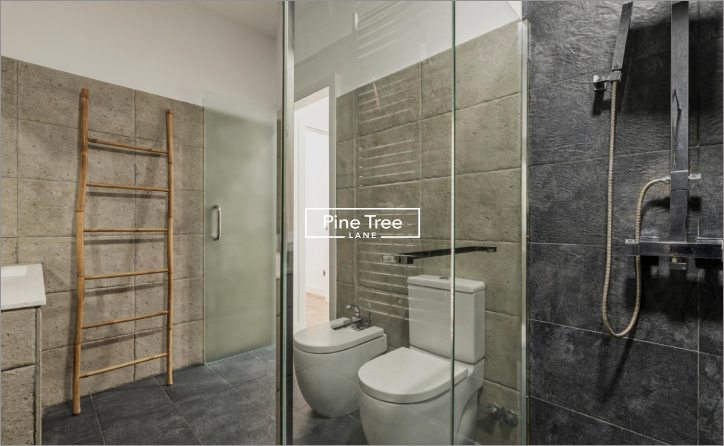
Glass shower enclosures help maintain an open, bright appearance, making them particularly useful in compact apartments. Clear glass creates a minimalist look, while frosted or textured glass offers additional privacy.
Tempered safety glass is commonly used for shower enclosures. The appropriate glass specification, thickness, fittings and installation method should be selected for the specific application.
Glass surfaces can show water spots and soap residue, so regular cleaning is important. Correct sealing and drainage details also help reduce water escaping into the rest of the bathroom.
Best for: Shower screens, wet-area partitions and contemporary bathrooms.
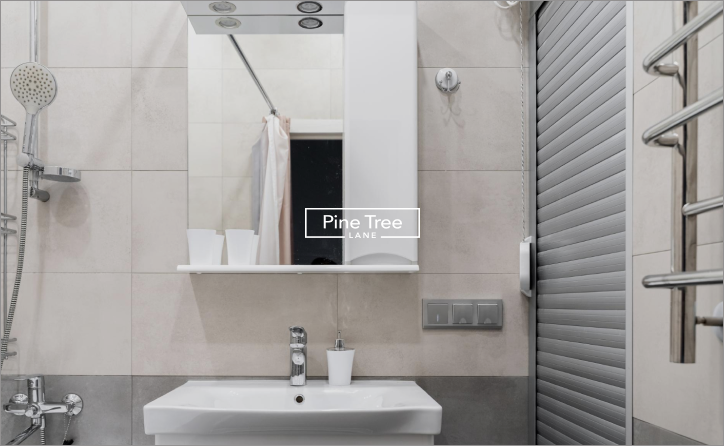
Taps, shower fittings, handles and towel rails contribute to both bathroom functionality and visual appeal. Stainless steel and suitable plated or coated metals are available in finishes such as chrome, brushed metal, matte black and brushed gold.
The quality of the material and protective finish affects how well fixtures withstand regular use, moisture and cleaning products. Select products designed for bathroom environments and follow the manufacturer’s maintenance instructions.
Chrome offers a versatile appearance, while brushed finishes can create a softer look. Dark or gold-coloured fittings can introduce contrast, but their resistance to scratches and finish deterioration depends on product quality.
Best for: Taps, shower fittings, cabinet handles and bathroom accessories.
The best material depends on where it will be installed, how frequently the bathroom is used and how much maintenance you prefer.
| Material | Main benefit | What to consider |
|---|---|---|
| Porcelain tiles | Low water absorption and versatile designs | Select suitable slip resistance for floors |
| Ceramic tiles | Design variety and budget flexibility | Check suitability for the intended area |
| Natural stone | Distinctive patterns and premium appearance | Sealing and specialised cleaning may be necessary |
| Engineered quartz | Consistent appearance and easy routine care | Avoid unsuitable heat and harsh chemicals |
| Moisture-resistant cabinetry | Practical fitted storage | Protect edges, joints and exposed surfaces |
| Tempered safety glass | Bright, open visual effect | Requires correct installation and regular cleaning |
| Quality metal fixtures | Functional and decorative versatility | Finish durability varies by product |
The comparison above tells you what each material is good at; this one tells you what it costs, how long it lasts and what it asks of you every year.
| Material | Typical Dubai cost (material only, AED) | Expected lifespan | Upkeep rhythm |
|---|---|---|---|
| Porcelain tiles | 65–120/m² (60 × 60 cm); 55–180/m² large format; 150–500/m² installed | 50+ years (tile itself 70+; grout fails first) | Reseal grout every 1–2 years; neutral cleaner |
| Ceramic tiles | 16–35/m²; 150–250/m² installed | 20–30 years practical (glaze wear) | As porcelain; walls only unless BIb-rated |
| Natural marble & stone | 60–120 (standard), 120–250 (mid), 350–900+ (Italian) per m²; travertine 120–180/m² | 100+ years for the stone; finish needs upkeep | Reseal every 6–12 months (shower) / 12–18 months (elsewhere); pH-neutral cleaner only |
| Engineered quartz / solid surface | 250–800+/m² slab + 20–40% fabrication; vanity with top 2,500–15,000 | 20–30 years; 10- to 25-year brand warranties | No sealing; wipe down; keep hot hair tools off |
| Moisture-resistant cabinetry | 2,500–15,000 per vanity unit | 10–15 years (MR-MDF); longer for marine ply / solid wood | Check under basin for leaks every few months |
| Tempered glass enclosure | 800–1,500 framed; 2,500–6,000 frameless 10 mm, installed | About 20 years | Squeegee daily; renew coating every 1–2 years; replace silicone when it blackens |
| Quality metal fixtures | Mixer 150–1,500+; full sanitaryware set 3,000–25,000 | 15–20 years (chrome / PVD) | Wipe dry; approved descaler monthly; no vinegar on PVD or black |
Before purchasing materials, assess your bathroom’s layout, ventilation, water exposure and daily requirements. A family bathroom may benefit from durable, easy-to-clean surfaces, while a guest bathroom may allow more decorative finishes.
Keep these factors in mind:
It is also helpful to prepare a home renovation checklist before work begins. Listing your priorities, material specifications and expected costs can help organise the project and make contractor quotations easier to compare.
The best bathroom materials for Dubai homes combine durability, moisture resistance, practical maintenance and a design that suits your interior. Porcelain tiles, natural stone, engineered quartz, moisture-resistant cabinets, glass enclosures and quality metal fixtures each offer different advantages when selected for the right application.
At Pine Tree Lane, we understand the importance of bringing materials, finishes and functionality together when planning a home upgrade. Whether you want to refresh an existing bathroom or undertake a more comprehensive transformation, choosing the right materials is an important first step.
Ready to upgrade your bathroom? Explore Pine Tree Lane’s bathroom renovation services in Dubai and contact our team to discuss your space, design preferences and renovation requirements.
Porcelain tiles are a practical choice for many bathroom floors and walls because they have low water absorption. Choose a suitable slip-resistant finish for wet floors and ensure proper waterproofing beneath the tiles.
Yes. Marble can create an elegant finish on vanity tops, feature walls and selected floors. However, some varieties require sealing and careful cleaning to protect against stains and surface damage.
Moisture-resistant MDF, appropriately specified plywood and other bathroom-suitable cabinet systems can work well when correctly finished and installed. Protecting exposed edges and joints is particularly important.
Both can work well. Glossy tiles can reflect light and suit walls, while matte or textured tiles may be more appropriate for wet floors when they have a suitable slip-resistance rating.
Clean surfaces using recommended products, maintain ventilation, inspect grout and sealants regularly, and address leaks promptly. Correct waterproofing and professional installation also help reduce moisture-related damage.
Porcelain, glazed ceramic and engineered quartz are non-porous and simply need wiping; scale sits on the surface and lifts with a neutral or manufacturer-approved descaler. Marble and other calcium-based stones are the exception, because the acidic descalers used on scale will etch them. On fittings, electroplated chrome and PVD finishes resist scale and cleaning best, and a squeegee kept by the shower glass does more for the enclosure than any cleaner.


