Large windows can transform the appearance and functionality of a home by bringing in natural light, creating a stronger connection with outdoor spaces and making rooms feel more open. In Dubai, where homes often feature contemporary architecture, balconies, landscaped gardens and city views, choosing the right window design can make a significant difference to the overall interior.
However, large windows also require careful planning. Heat gain, glare, privacy, energy efficiency, noise, cost and maintenance should all be considered before selecting a window style. Understanding these factors helps homeowners choose designs that complement their property while remaining practical for Dubai’s climate.
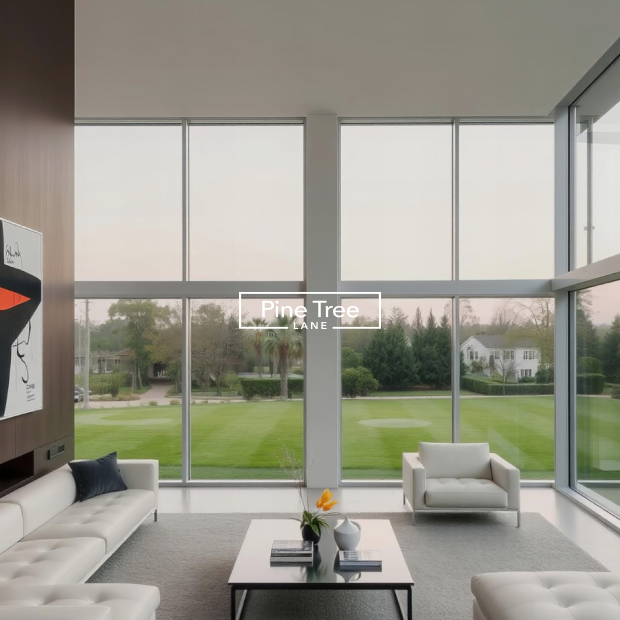
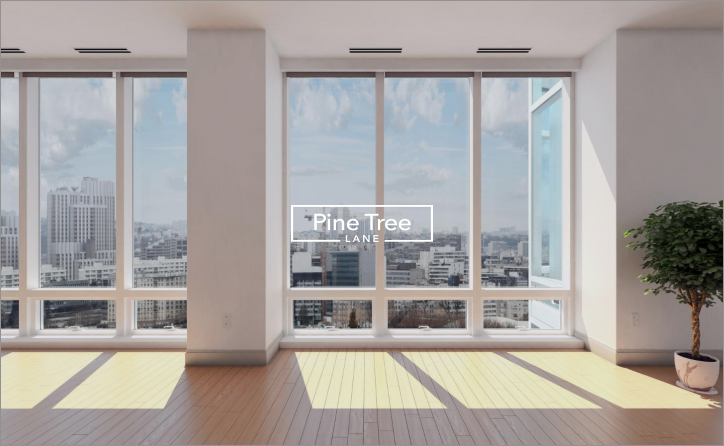
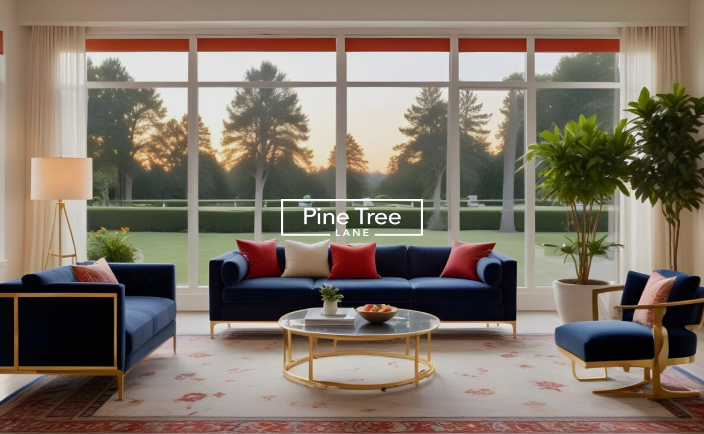
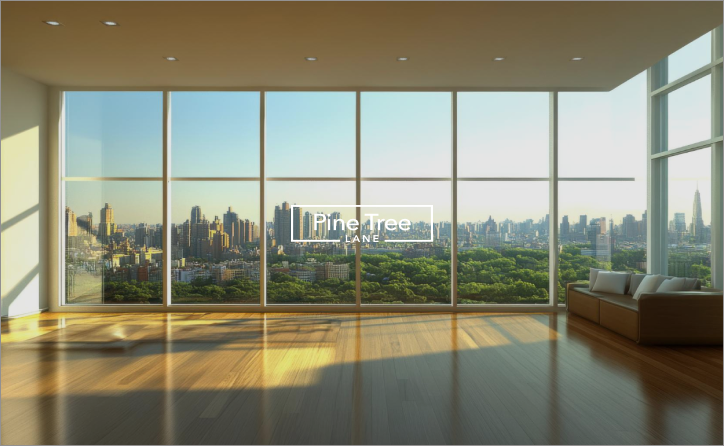
One of the main advantages of large windows is their ability to bring more daylight into living spaces. Well-positioned windows can reduce dependence on artificial lighting during the day and make rooms feel brighter and more welcoming.
Living rooms, dining areas and open-plan interiors can benefit particularly from larger glazed surfaces. The amount of daylight will depend on the window’s orientation, surrounding buildings, glazing specification and external shading. Dubai averages 3,570 hours of sunshine a year, about 9.8 hours a day, so even a north-facing room with a large window rarely needs the lights on before dusk.
Large windows can make a room feel more open by reducing the visual separation between indoor and outdoor areas. This can be especially useful in apartments where floor space is limited or in villas overlooking gardens, terraces or swimming pools.
Slim window frames and uninterrupted glass surfaces can further enhance this effect. Pairing large windows with a simple furniture arrangement and light-coloured finishes can help maintain a balanced, uncluttered appearance.
Large windows can frame views of the Dubai skyline, landscaped gardens, balconies or outdoor seating areas. In villas, they can create a natural visual connection between the living room and the garden. In apartments, they can make balconies and surrounding views feel more integrated with the interior.
The window design should reflect the property’s surroundings. Sliding windows may suit spaces that open onto balconies, while fixed glazing can work well where the primary purpose is to capture a view.
When coordinated with suitable sliding or folding door systems, large windows can also support a more continuous transition between indoor and outdoor entertaining areas: the covered terrace, pool deck or majlis garden that most Dubai villas are planned around.
Large glazed surfaces are a common feature of contemporary residential design. Floor-to-ceiling windows, slim aluminium frames and corner glazing can give a home a clean, modern appearance without requiring extensive decorative details.
For homeowners exploring modern interior design styles in Dubai, window proportions, frame finishes and the relationship between glazing and interior materials can help create a cohesive look throughout the property.
Large windows are available in several configurations, allowing homeowners to select a design that suits their space and ventilation needs.
The right option depends on the opening size, available space, intended use and required thermal performance.
Large windows can help reduce the need for artificial lighting, but their effect on overall energy consumption depends on the glazing and shading system. In Dubai’s hot climate, poorly specified glass can allow substantial solar heat into the home, increasing the cooling demand.
Double glazing, suitable solar-control coatings, thermally improved frames and external shading can help manage heat transfer. Performance should be evaluated using the glass’s solar heat gain coefficient (SHGC), U-value and visible light transmittance rather than appearance alone.
The aim is to balance daylight and outdoor views with indoor comfort and cooling requirements.
Dubai’s intense sunlight makes thermal performance one of the most important factors in window selection. South- and west-facing windows may receive substantial direct sunlight at certain times of the day, increasing heat gain and glare.
Before choosing a design, consider the direction the window faces, the size of the glazed area and whether external shading is possible. Solar-control glazing, appropriately designed overhangs and blinds can help improve comfort.
In Dubai the orientation question has a clear answer. North-facing glass receives almost no direct sun and is the safest place for the largest panes. East-facing glass gets morning sun while outdoor temperatures are still climbing.
West-facing glass takes the full afternoon load between roughly 3 pm and 6 pm, when the air outside is already at its daily peak; the mean daily maximum is 40.9 °C in July and 41.3 °C in August, with summer solar irradiance reaching around 850 W/m².
If a west-facing window is unavoidable, pair it with an external overhang or louvre first, a lower-SHGC glass second and an internal blind last: shading that stops the sun before it reaches the glass removes heat, whereas a blind only redistributes heat that is already inside.
Not all glass performs in the same way. The appropriate specification depends on the property’s location, exposure, window size and performance requirements.
Double glazing, suitable solar-control coatings, thermally improved frames and external shading can help manage heat transfer. Performance should be evaluated using the glass’s solar heat gain coefficient (SHGC), U-value and visible light transmittance rather than appearance alone.
| Glass option | Main benefit | Consideration |
|---|---|---|
| Double glazing | Can improve thermal and acoustic insulation | Requires suitable frame and installation details |
| Solar-control glass | Helps limit unwanted solar heat gain | Light transmission and appearance vary by specification |
| Low-emissivity (Low-E) glass | Helps reduce heat transfer through the glazing | Performance depends on the complete glass unit |
| Laminated glass | Holds together when fractured and can offer safety or acoustic benefits | Must be specified for the intended application |
| Tempered glass | Designed to break into smaller, less sharp fragments | Does not provide the same post-breakage retention as laminated glass |
Glass selection should be based on the relevant building requirements and professional advice, particularly for large, elevated or full-height installations.
Large windows can provide excellent views but may also expose interiors to neighbouring buildings or nearby walkways. Direct sunlight can create glare on televisions, computer screens and reflective surfaces.
Sheer curtains, suitable blinds, privacy glazing and carefully planned furniture placement can help address these issues. In apartments, check whether the selected window treatment works with the building’s façade and management requirements.
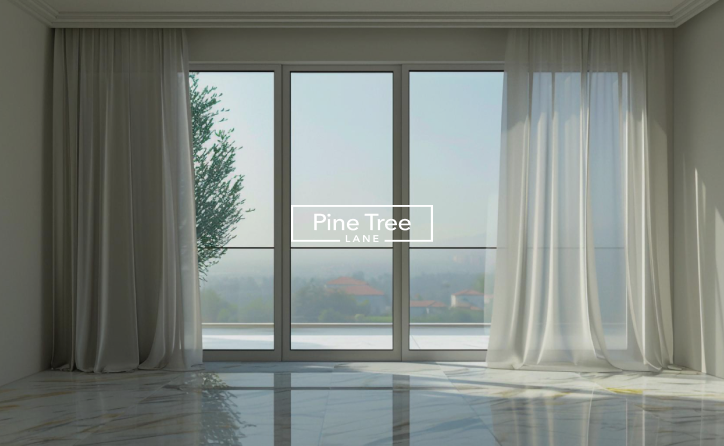
The frame affects the window’s appearance, operation, insulation and maintenance requirements.
Aluminium frames are often chosen for contemporary designs because they can accommodate slim profiles and large glazed areas when properly engineered. uPVC frames can offer useful thermal insulation and relatively straightforward maintenance, depending on the system and specification.
Homeowners comparing these options can review uPVC vs aluminium doors to understand some of the differences between the materials. Window-specific performance, structural capacity and glazing compatibility should still be assessed separately.
Typical service life in Dubai conditions
| Component | Typical service life | What shortens it in Dubai |
|---|---|---|
| Aluminium frame (powder-coated or anodised) | 30–40 years | Coastal salt air; the finish itself may need attention after 15–25 years |
| uPVC frame (UV-stabilised, premium grade) | 20–25 years | Direct west sun — frame surfaces in full sun can reach 60–80 °C, close to the point where standard uPVC softens |
| Double-glazed sealed unit (IGU) | 15–25 years; 10-year warranty is common | Seal failure shows as fogging between the panes; blocked drainage accelerates it |
| Rollers, locks and hinges | 10–15 years | Sand in the tracks; light-duty hardware on heavy panels |
| Gaskets and weather seals | 8–12 years | UV and heat harden the rubber; check at every service |
Large window openings require appropriate structural support, correctly specified glass and secure installation. Existing walls should not be cut or altered without professional assessment and the necessary approvals.
The installation must account for wind loads, frame anchoring, weather sealing, drainage and the weight of the glazing. Poor workmanship can lead to water ingress, air leakage, difficult operation or premature component failure.
Large windows provide expansive views but also create more visible glass surface to clean. Dust, sand and water marks can accumulate, particularly on exposed façades and windows near outdoor areas.
Consider safe access for cleaning, the availability of replacement hardware and the ease of maintaining tracks, seals and drainage channels. High-level glazing may require professional cleaning arrangements.
The most suitable option depends on the architecture, available space and how you intend to use the room.
| Window design | How it opens | Best suited for | Main consideration |
|---|---|---|---|
| Floor-to-ceiling | Extend close to the floor and ceiling to create a dramatic visual effect. | Living rooms, bedrooms and villa facades | Heat control, privacy and safety |
| Sliding windows | Open horizontally and are useful where a swinging sash would take up space. | Balconies and areas with limited opening space | Track maintenance and ventilation |
| Corner windows | Connect two sides of a room with glazing, subject to structural requirements. | Contemporary villas and feature spaces | Structural support at the corner |
| Fixed glazing | Provide uninterrupted views and daylight without an opening mechanism. | Views and daylight in areas without ventilation needs | Separate ventilation provision |
| Large casement windows | Open outward or inward, depending on the system, to provide ventilation where suitable. | Rooms where natural ventilation is important | Clearance for opening panels |
A combination of fixed glazing and opening sections can provide a practical balance between uninterrupted views and ventilation. The configuration should be selected according to the room’s needs rather than choosing the largest possible glass area.
Before proceeding, measure the existing openings and identify the main objectives, whether they are improved daylight, better views, reduced heat gain or a more contemporary appearance.
Request quotations that specify the frame system, glass build-up, thermal performance, hardware, installation, sealing and warranty terms. Comparing quotations against the same written specification makes it easier to assess value and avoid overlooking important components.
For apartments and villas in Dubai, check with building management and the relevant authority before changing window sizes, external appearance or façade elements. Some properties have restrictions on glazing, colours, opening configurations and external modifications.
Large window designs can improve natural lighting, enhance views and give Dubai homes a more open, contemporary appearance. Floor-to-ceiling glazing, sliding windows, corner windows and fixed glass panels each offer different advantages depending on the property’s layout and intended use.
The best results come from balancing aesthetics with thermal performance, privacy, safety and maintenance. By selecting appropriate glazing, choosing a suitable frame system and confirming building requirements before installation, homeowners can create bright, comfortable spaces that work well in Dubai’s climate.
Pine Tree Lane offers window and door solutions that homeowners can consider when planning functional, visually appealing interiors. Explore the aluminium and uPVC windows and doors service to learn more about available options.
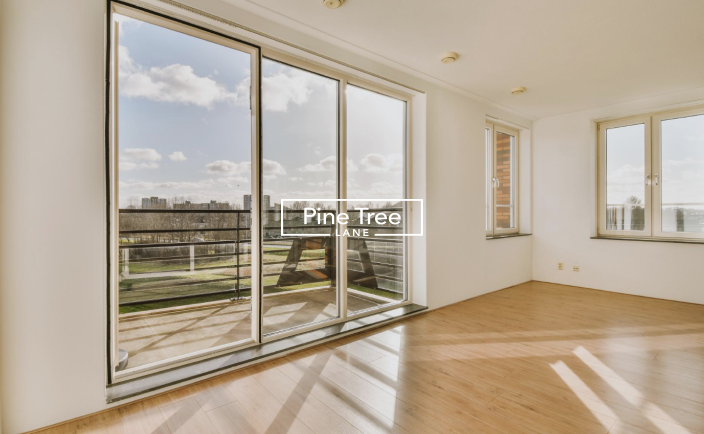
Yes, provided they are designed for the local climate. Solar-control glazing, suitable insulation, shading and professional installation can help manage heat gain and glare.
Aluminium is often suitable for contemporary designs with slim profiles, while uPVC can provide useful insulation properties. The final choice depends on the opening size, structural requirements, glazing system and desired appearance.
They can make a room feel more spacious by increasing daylight and creating a stronger visual connection with the outdoors. The result also depends on the room layout, window proportions and surrounding views.
They may require more cleaning and can involve specialised access for elevated installations. Maintenance needs depend on the glass, frame material, hardware and exposure to dust and weather.
Replacing windows with a similar approved specification may have different requirements from enlarging an opening or changing the façade. Check with building management and the relevant authority before starting work.


