Choosing a kitchen sink involves more than selecting a shape or colour. The material affects daily maintenance, durability, noise levels, appearance and how well the sink complements the worktop and cabinetry. Stainless steel, granite and composite sinks each offer different advantages, making the right choice dependent on your cooking habits, preferred design and maintenance expectations.
In Dubai, where kitchens often combine modern finishes with practical storage and workspace requirements, selecting the right sink material can help create a kitchen that remains functional and visually consistent over time. Understanding the differences between these options makes it easier to plan a suitable kitchen upgrade.
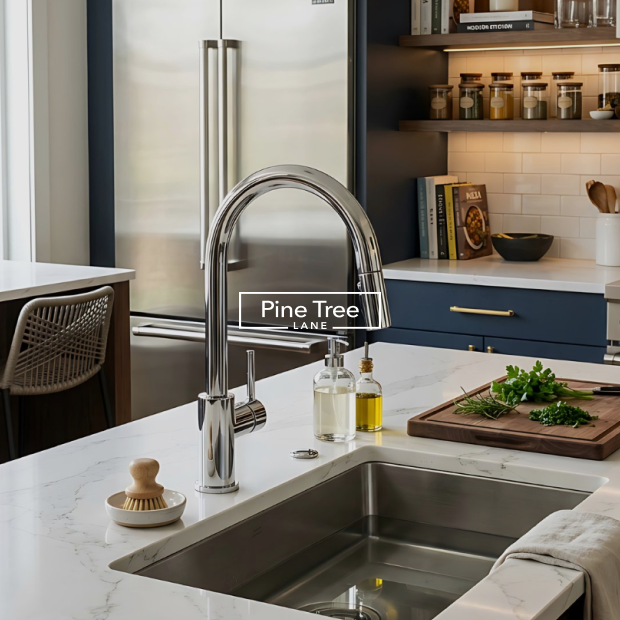
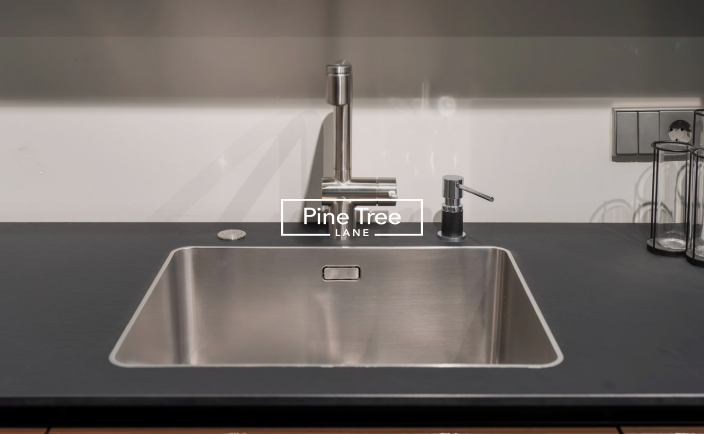
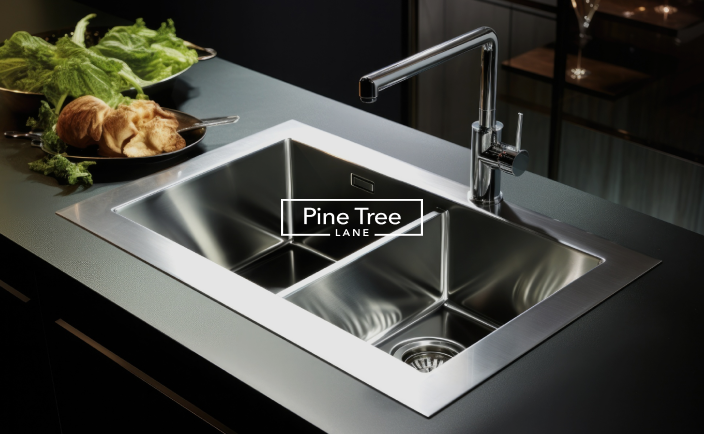
Stainless steel remains a popular kitchen sink material because of its versatile appearance, relatively low weight and practical everyday performance. Its silver finish works with a wide range of kitchen styles, from minimalist apartments to contemporary villas.
Advantages
Things to consider
Stainless steel can develop visible scratches, water spots and fingerprints, particularly on certain finishes. Thin or poorly sound-insulated models may also produce noticeable noise when water or utensils hit the bowl.
For a practical choice, compare the steel grade, thickness, sound-dampening features and finish instead of choosing solely by appearance.
Best for: Busy households, practical kitchen layouts and homeowners who prefer a versatile, easy-care material.
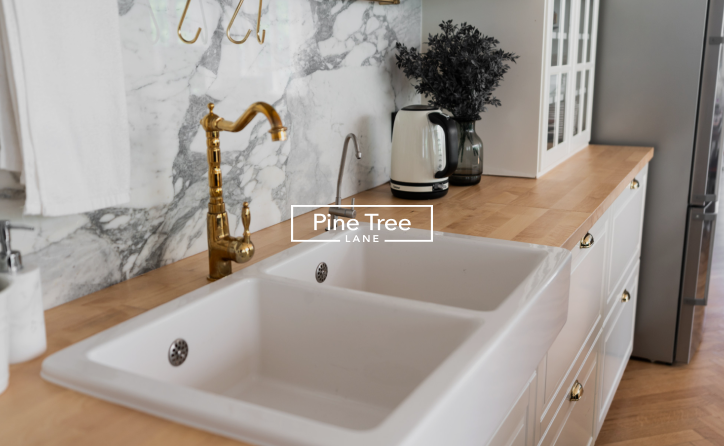
Granite sinks are associated with a natural stone appearance and a substantial, premium finish. However, the term can refer to different products. Some sinks are made from natural granite, while many products marketed as granite sinks are actually granite composite. Those are typically around 80% crushed granite or quartz bound with about 20% acrylic resin.
Natural granite offers variations in pattern and texture that can create a distinctive focal point. Its weight, installation requirements and care needs should be evaluated before purchase.
Advantages
Things to consider
Natural stone sinks can be heavy and may require additional structural support. Depending on the stone and finish, sealing or other specific maintenance may be necessary. Natural stone can also require a larger investment than standard sink options.
Before buying, confirm whether the product is solid granite, review its maintenance instructions and check that the cabinet and worktop can accommodate its weight.
Best for: Homeowners who prioritise natural materials, distinctive detailing and a coordinated stone-led kitchen design.
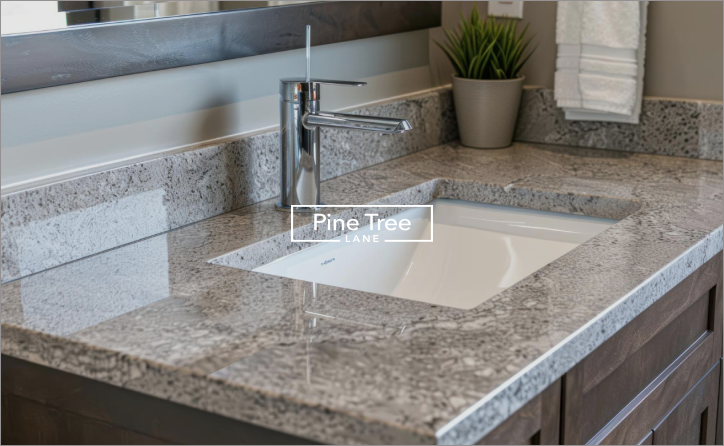
Composite sinks are manufactured using materials such as quartz or granite particles combined with resin. The exact composition, finish and performance vary by manufacturer, so the product specification is important. Leading ranges use around 80% crushed granite or quartz and 20% acrylic resin; when you compare brands, treat 80% stone content as the benchmark.
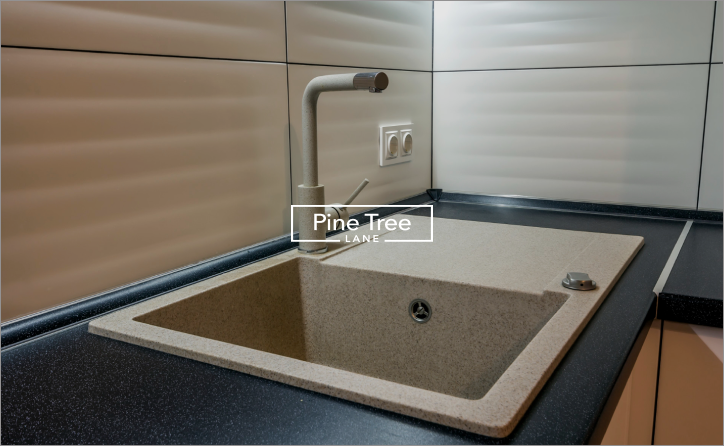
Many granite composite sinks offer a matte appearance in shades such as black, grey, white and beige. Other composite products may have different textures and colour options, creating flexibility when coordinating the sink with cabinetry and worktops.
Advantages
Things to consider
Composite sinks are generally heavier than comparable stainless steel models and may need suitable cabinet support. Although many resist everyday scratches and stains, they are not indestructible. Heavy impacts, unsuitable cleaning products and incorrect handling can damage certain surfaces.
Follow the manufacturer’s guidance for cleaning, heat exposure and stain removal rather than assuming every composite sink has identical properties. In particular, avoid abrasive bleach-based cleaners: they dull the surface and can void the warranty.
Best for: Contemporary kitchens where colour coordination, a matte finish and a more substantial appearance are priorities.
| Feature | Stainless Steel | Natural Granite | Composite |
|---|---|---|---|
| Appearance | Metallic and versatile | Natural and distinctive | Contemporary, often matte |
| Colour choices | Mainly metallic finishes | Depends on stone | Often available in several colours |
| Everyday maintenance | Generally straightforward | Depends on stone and finish | Depends on composition and finish |
| Scratch resistance | Fine scratches may show | High; honed finishes hide marks | High stone content is harder than cutlery; avoid heavy impacts |
| Weight | Generally light | Heavy | Usually heavier than stainless steel |
| Design suitability | Traditional and modern kitchens | Natural stone-led interiors | Modern and coordinated interiors |
| Lifespan | 15–30 years | Decades; 20+ years minimum with resealing | 20–30+ years (some makers cite 50) |
| Heat resistance | Hot pans do no structural harm; can discolour | High; avoid sudden thermal shock on sealed surfaces | Up to ~280 °C on leading ranges |
| Noise | Loudest if thin (20–22 gauge); pads and undercoating fix most of it | Very quiet (dense stone) | Quiet — dense and non-resonant |
| Approximate cost (UAE) | AED 500–2,500 (premium workstation models to ~4,000) | AED 3,500–12,000+ (custom-cut) | AED 1,200–3,500 |
Important: Granite and composite are not always separate categories. Many sinks described as granite sinks are manufactured from granite particles and resin. Check the product’s actual material composition before comparing specifications.
| Material | Daily | Weekly | Every 6–12 months |
|---|---|---|---|
| Stainless steel | Rinse and wipe dry (stops water spots) | Mild detergent or a bicarbonate paste, rubbing with the grain; never steel wool or chlorine bleach | Nothing scheduled; a stainless polish restores shine if wanted |
| Granite composite | Rinse and wipe dry | Non-abrasive cream cleaner; monthly 1:1 white vinegar soak for limescale | Nothing scheduled; some makers suggest an occasional mineral-oil wipe on dark colours (check the manual) |
| Natural granite | Rinse with pH-neutral soap; wipe dry | Stone-safe cleaner; no acids, vinegar or bleach | Reseal with an impregnating stone sealer — if water stops beading and darkens the stone within minutes, it is due |
If you wash large pots, pans and utensils every day, prioritise a practical bowl size, easy cleaning and resistance to everyday use. Stainless steel may suit this routine, while a suitable composite sink can also be a good option.
The sink should complement the worktop rather than compete with it. Metallic finishes can contrast with darker surfaces, while composite sinks can coordinate with matte cabinetry and stone-inspired worktops. For more guidance, explore these popular kitchen countertop choices.
Measure the available cabinet width, bowl depth and plumbing position before selecting a sink. Consider whether an undermount, top-mount or other installation style is suitable for the chosen worktop. Heavier sinks may need additional support.
Consider how much time you want to spend maintaining the finish. Ask about suitable cleaning products, stain removal, water marks and manufacturer care instructions. Choosing a material that fits your routine can make everyday kitchen maintenance easier.
A sink should work with the taps, drainage fittings, cabinetry, lighting and worktop. As part of kitchen design in Dubai, these details can be considered together to create a practical and visually balanced space.
Stainless steel, natural granite and composite sinks each offer distinct advantages. Stainless steel provides a versatile, practical option, natural granite brings individual stone character, and composite materials offer a wide range of contemporary finishes.
If you want the lowest cost and the least fuss, choose 16–18-gauge, 304-grade stainless steel. If you want colour, quiet and scratch resistance, choose a composite with around 80% stone content. If you want a natural stone centrepiece and can accommodate 45–95 kg, choose solid granite.
By comparing material specifications, installation requirements and daily usability, you can select a kitchen sink that complements your design while meeting the needs of your household.
Stainless steel is a practical option for many busy kitchens because it is generally easy to clean and widely available. A good-quality composite sink can also perform well when its specifications and care requirements suit your routine.
Neither material is universally better. Stainless steel offers versatility and relatively straightforward maintenance, while composite sinks provide more colour options and a stone-like appearance. Your decision should reflect your priorities and the specific products being compared.
Their resistance to scratches varies by composition, finish and manufacturer. Although many granite composite sinks offer good resistance to everyday surface wear, heavy impacts and abrasive cleaning can cause damage.
Stainless steel is generally straightforward to clean, although water spots and fine scratches may appear. Composite and natural stone sinks may have different cleaning or maintenance requirements depending on their finish and composition.
Check the available cabinet dimensions, worktop compatibility, bowl configuration, plumbing connections, sink weight and installation method. Review the manufacturer’s care instructions before making the final selection.


