Modern and contemporary interior design are two styles that are often mixed up, especially in Dubai homes where design trends change quickly. So, what’s the difference? Modern interior design refers to a specific, historic style rooted in the early to mid-20th century, while contemporary design is all about what’s popular right now—constantly evolving and adapting.
This difference matters for Dubai homeowners planning renovations or lifestyle-inspired upgrades. Choosing the right style can affect not just the look of your home, but also how comfortable and functional it feels. In this guide, we’ll compare both styles, show real-life applications, and provide a practical approach tailored for Dubai’s unique living spaces.


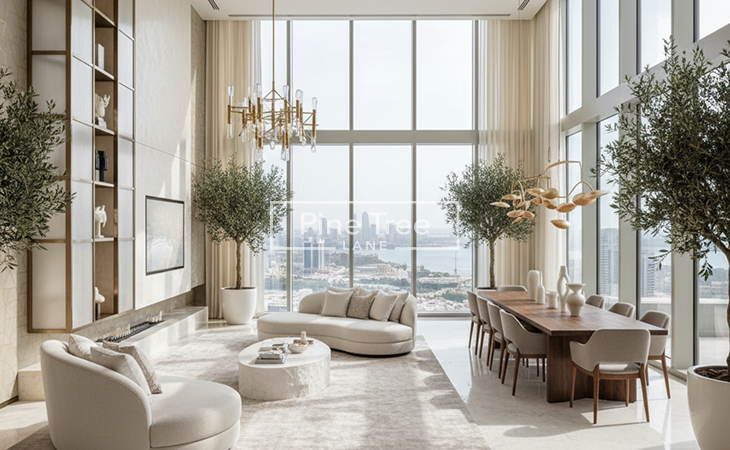
Modern interior design comes from the modernist movement of the early 20th century. It’s all about clean lines, natural materials, and making sure every element has a purpose. Think of it as the opposite of fussy or overly decorated spaces.
Key characteristics:
1. Warm wood tones (like walnut or teak)
2. Minimal ornamentation—less is more
3 . Balanced, simple layouts
4. Focus on function over form
If you walk into a modern-style Dubai home, you’ll likely see a color palette that’s about 60% neutrals (whites, beiges, greys), 30% wood tones, and 10% accent colors (maybe a pop of blue or green). Furniture is about 90% straight lines, with very few curves. The Modwer interior design style, for example, draws heavily from these principles, emphasizing simplicity and natural beauty.
When comparing contemporary vs modern interior design, contemporary is the more fluid, adaptable style. “Contemporary” literally means “of the now,” so it’s always changing to reflect current tastes and technology.
Features of contemporary design:
In Dubai, contemporary interiors often include luxury touches, smart-home features, and trendy textures. For example, you might see a living room with a curved velvet sofa, a statement chandelier, and floor-to-ceiling windows with automated blinds. The style is flexible, so it can easily adapt to new trends or personal preferences.

| Feature | Modern Style | Contemporary Style | Dubai Context |
|---|---|---|---|
| Lines & Shapes | Straight, clean lines; minimal curves | Mix of straight and curved lines | Modern: boxy layouts; Contemporary: flowing spaces |
| Color Palette | 60% neutrals, 30% wood, 10% accent | High-contrast, bold accents, mixed neutrals | Modern: beige/grey; Contemporary: black/white/gold |
| Materials | Natural wood, stone, leather | Glass, metal, mixed fabrics, polished surfaces | Modern: wood floors; Contemporary: marble, glass |
| Lighting Style | Simple, functional, often recessed | Statement fixtures, layered lighting | Modern: spotlights; Contemporary: chandeliers |
| Flexibility | Fixed, timeless | Highly adaptable, changes with trends | Modern: classic; Contemporary: trend-driven |
| Dubai Home Use | Popular in villas, family homes | Favored in penthouses, luxury apartments | Modern: open-plan villas; Contemporary: city flats |
| Budget Range | AED 150–350 per sq. ft. | AED 180–400 per sq. ft. | Modern: more affordable; Contemporary: higher-end |
Understanding modern vs contemporary interior design helps Dubai homeowners choose a style that fits both lifestyle and long-term maintenance. For example, modern interiors may require less frequent updates, while contemporary spaces might need tweaks as trends shift.
If you love minimalism, natural tones, and a sense of calm, modern design is probably your best bet. It works especially well in Dubai villas, where open spaces and natural light are common. On the other hand, if you want your home to feel current, with statement pieces, curves, and the flexibility to change things up, contemporary design is ideal—especially in city apartments or penthouses.
Dubai-specific considerations:
Lighting: Villas often have abundant natural light, which suits both styles, but contemporary spaces may use more dramatic artificial lighting.
AC vents & wall textures: Apartments may have space constraints and built-in AC units, so furniture and wall treatments need to be chosen carefully.
Flooring: Modern homes often use wood or stone, while contemporary spaces might feature marble, polished concrete, or even high-end tiles.
Working with an experienced interior design company in Dubai ensures each style is executed authentically.
A. Implementing Modern Interior Design
Checklist:
1. Choose warm wood tones for floors and furniture
2. Use clean-line, straight-edged furniture
3. Limit décor to functional pieces (think: a single vase or a simple lamp)
4. Add 1–2 natural materials (like stone countertops or leather chairs)
Room-by-room examples:
Living Room: Neutral sofa, wooden coffee table, minimal wall art
Kitchen: Flat-panel cabinets, stone or wood countertops, stainless steel appliances
Bedroom: Platform bed, simple bedding, one or two accent pillows
B. Implementing Contemporary Interior Design
Checklist:
1. Blend curved and straight-edge furniture (e.g., a round dining table with angular chairs)
2. Introduce high-contrast colors (black and white, or navy and gold)
3. Use statement lighting fixtures (like a sculptural chandelier)
4. Mix metal and fabric textures (velvet sofa with metal legs, glass tables)
5. Add smart home enhancements: automated lighting, modular furniture, voice-controlled blinds
C. Budgeting & Practical Metrics
Modern: AED 150–350 per sq. ft.; setup time: 4–8 weeks
Contemporary: AED 180–400 per sq. ft.; setup time: 6–12 weeks
Maintenance: Modern is generally lower-maintenance; contemporary may need updates as trends change
Tips:
For small Dubai homes, stick to lighter colors and multi-functional furniture
For larger homes, you can experiment with bolder accents and larger statement pieces
1. Mixing both styles too heavily, which can make spaces feel confused
2. Overusing glossy materials in modern spaces, which can look cold or clinical
3. Choosing the wrong lighting—too harsh or too dim for the style
4. Ignoring space planning, leading to cramped or awkward layouts
5. Buying trendy pieces without considering long-term compatibility or comfort
The main difference between contemporary vs modern interior design is that modern is rooted in a specific historical period, while contemporary is always changing with the times. In Dubai, where climate, lifestyle, and architecture are unique, choosing the right style can make your home more comfortable and enjoyable.
For homeowners looking to execute either style seamlessly, Pine Tree Lane ensures every Dubai home reflects comfort, personality, and timeless design.
Yes, you can blend elements of contemporary vs modern interior design, but it’s best to choose one as the main style and use features of the other sparingly. This helps avoid a cluttered or mismatched look, especially in Dubai homes where space and light play a big role.
Modern interiors, with their focus on natural materials and simplicity, are generally easier to maintain.
Usually, yes. Contemporary design often uses more high-end materials and custom features, which can increase costs.
Modern: wood or stone. Contemporary: marble, polished concrete, or high-quality tiles.
Every 3–5 years is common, as trends and technology evolve quickly in contemporary design.


