Dubai’s climate presents unique challenges that most other cities simply don’t face. With temperatures soaring above 45°C during summer, humidity levels that make the air feel thick, and dust storms that coat everything in sand, your outdoor furniture takes quite a beating.
I remember visiting a friend’s villa in Jumeirah last summer and noticing how her beautiful outdoor cushions had faded to an almost unrecognizable color after just six months. The vibrant blues had turned into washed-out grays, and some fabric was actually cracking from intense sun exposure.
Whether you’re designing a rooftop terrace, setting up a balcony in Dubai Marina, or creating an outdoor oasis in your villa’s garden, selecting the right upholstery materials can mean the difference between furniture that lasts for years and furniture that needs replacing every season.
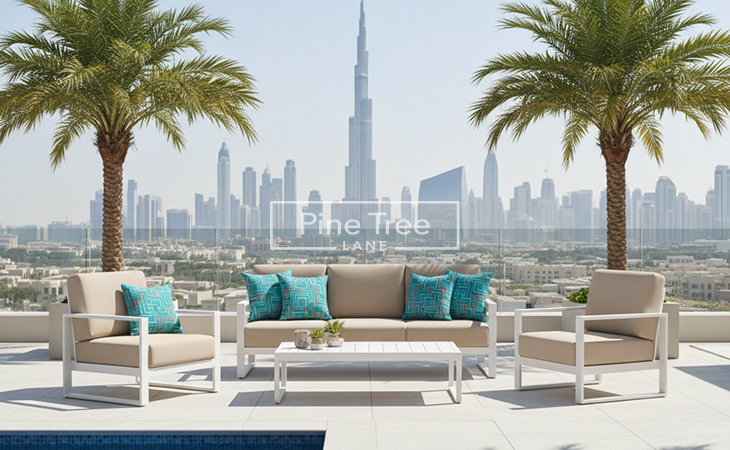
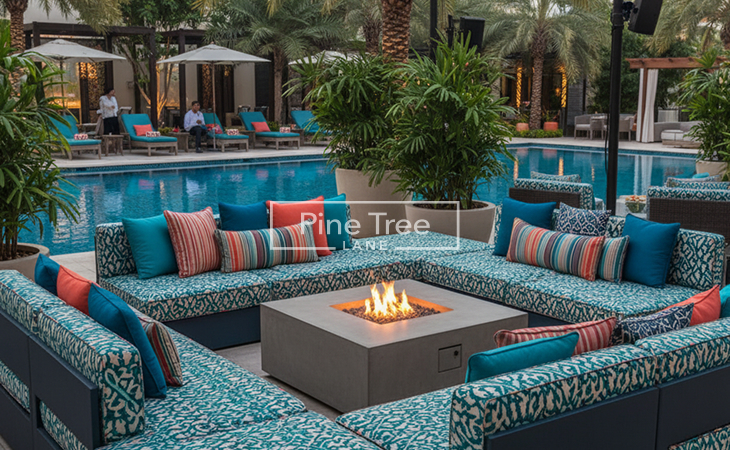
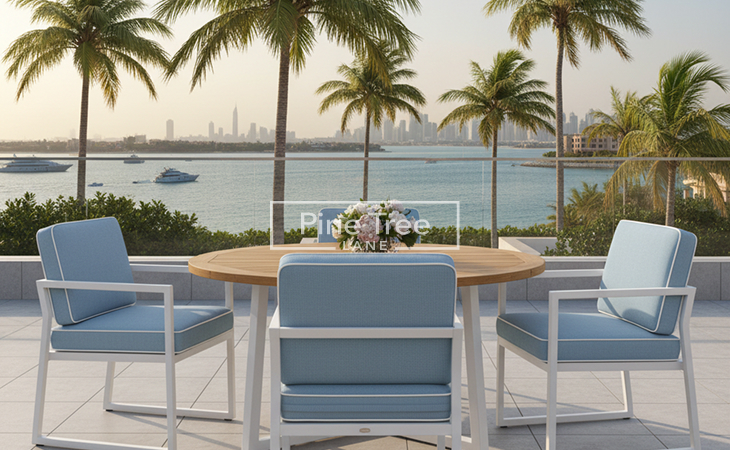
Solution-dyed acrylic fabrics are like superheroes of outdoor upholstery. The color is built into the fiber during manufacturing, meaning it won’t fade even after years of intense Dubai sun. I’ve seen cushions made from this material maintain vibrant colors for over three years on a south-facing Business Bay balcony.
What makes solution-dyed acrylic perfect for Dubai is its breathable nature. Unlike synthetic materials that feel like sitting on hot plastic, these fabrics allow air flow, keeping you comfortable when temperatures climb. The UV resistance is exceptional, withstanding sun exposure that would destroy regular fabrics in months.
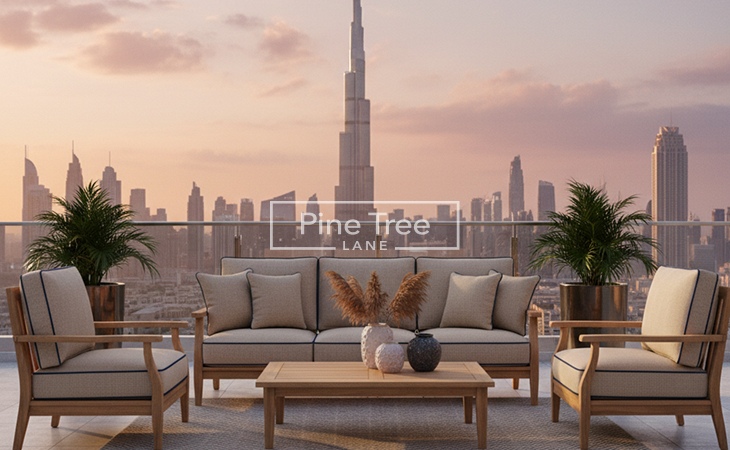
Olefin combines durability with practicality. This synthetic fiber is naturally stain-resistant, perfect for Dubai’s dusty environment, where sand simply doesn’t stick like it does to natural fibers.
What I appreciate about olefin is how lightweight it feels while being incredibly strong. A friend has olefin dining chairs on her Palm Jumeirah terrace, and despite two years of sea breeze, salt air, and intense sun, they still look nearly new. The fabric doesn’t absorb water, so even during humid summer nights, cushions stay dry and comfortable.
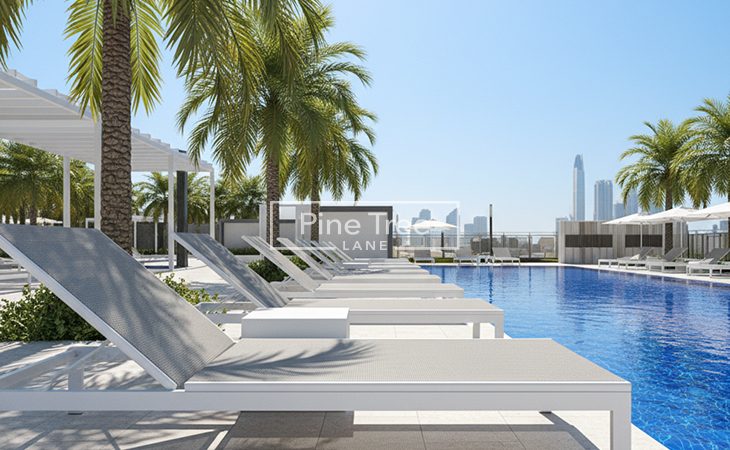
For poolside areas or particularly hot spots, textilene mesh is unbeatable. This material stays cool to touch even under direct sunlight – anyone who’s tried sitting on hot furniture in Dubai summer will appreciate this.
The mesh construction allows maximum airflow, making it the most comfortable option for Dubai’s hottest months. I’ve used textilene for poolside loungers, and even at 2 PM in July, the fabric remains cool enough to sit on without burning your skin. Cleaning is simple – a garden hose removes dust, sand, and chlorine splashes, and it dries almost instantly.
When you need furniture for heavy use in Dubai’s challenging environment, PVC-coated polyester delivers exceptional performance. The coating acts as a shield against humidity, dust, and wear from sandy conditions.
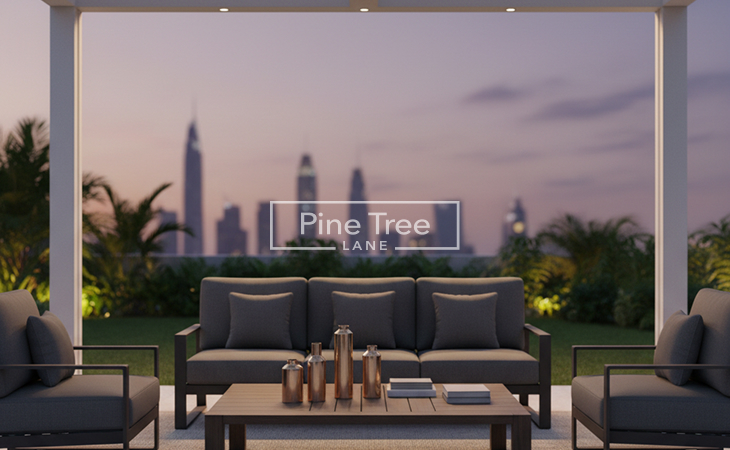
These materials excel in covered areas like pergolas where you might have formal seating. The coating prevents tearing during dust storms and remains unaffected by moisture levels that would damage other materials during Dubai’s humid summer months.
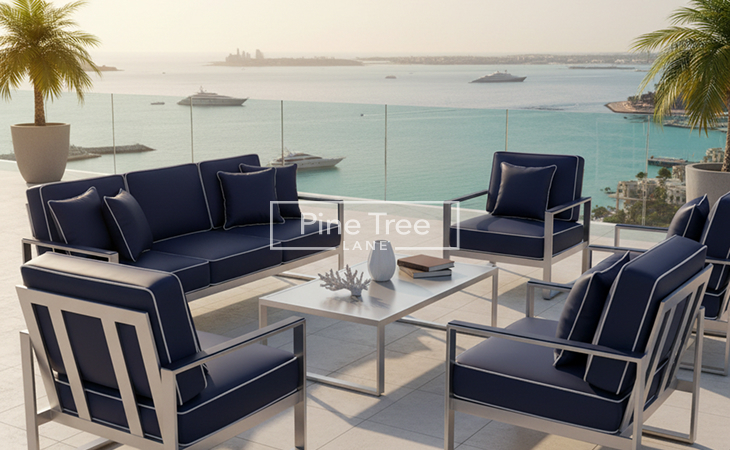
For virtually indestructible material in Dubai’s climate, marine-grade vinyl is the answer. Originally designed for boats, this material handles everything the ocean can throw at it – making Dubai’s desert climate seem gentle by comparison.
The waterproof nature means never worrying about sudden weather changes. Dubai’s winter can bring unexpected rain, but with marine-grade vinyl, you don’t need to rush covering furniture. It’s incredibly easy to maintain – a simple wipe removes dust, sand, and spills.
Sunbrella has built its reputation creating fabrics for the world’s harshest climates. What sets Sunbrella apart is incredible color retention – fabrics that look virtually unchanged after years of Dubai’s intense UV radiation.
The range of available colors and patterns means you don’t sacrifice style for performance. Many Dubai luxury hotels use Sunbrella fabrics for outdoor areas, speaking to both durability and upscale appearance while maintaining a soft, comfortable feel.
For those preferring traditional looks but needing Dubai-level durability, weather-treated canvas offers excellent compromise between classic aesthetics and practical performance. Modern treatments transform regular canvas into material capable of handling Dubai’s climate challenges while maintaining a natural, comfortable feel.
Canvas with weather-resistant treatment is often the most affordable option among high-performance outdoor fabrics, making it excellent for large seating areas or those who like changing outdoor decor frequently.
Dubai’s sun delivers UV radiation levels that damage unprotected materials within months. The UV index regularly reaches extreme levels, particularly during summer when sun beats down relentlessly from dawn to dusk. Regular indoor fabrics weren’t designed for this punishment.
I once used indoor cushions outdoors for just three months during winter. By March, colors had noticeably faded, and by May, fabric showed breakdown signs. The lesson was clear: Dubai’s climate demands materials specifically engineered for extreme outdoor conditions.
The combination of intense heat and occasional humidity creates perfect conditions for mold and mildew in improperly designed materials. Beyond surviving Dubai’s climate, the right materials enhance comfort – nobody wants scorching hot or damp, sticky furniture during humid periods.
Dubai’s constant dust requires different maintenance approaches. Weekly gentle brushing or vacuuming prevents dust from building up and grinding into fabric fibers. During sandstorm season, this might need to happen more frequently.
For deeper cleaning, most quality outdoor materials handle gentle hosing followed by scrubbing with mild soap and water. Clean regularly rather than waiting for accumulation. In Dubai’s dry climate, materials dry quickly, so you can clean and use furniture the same day.
Using covers during summer’s hottest parts can extend even the most durable materials’ life. While quality outdoor upholstery in Dubai handles full sun exposure, providing protection during peak UV hours keeps colors vibrant longer and materials comfortable.
Regular inspections help catch small problems before they become major issues. Check for loose threads, small tears, or dust accumulation areas. In Dubai’s climate, small problems escalate quickly, so addressing them early saves money and extends furniture life.
Choosing the right outdoor upholstery materials for Dubai isn’t just about immediate comfort – it’s about creating spaces that remain beautiful and functional for years despite one of the world’s most challenging climates. The seven materials explored each offer unique advantages, from solution-dyed acrylics’ superior UV resistance to textilene mesh’s cooling comfort.
The right material choice means the difference between furniture that enhances your lifestyle and furniture that becomes constant frustration and expense. When you select materials engineered for Dubai’s intense sun, occasional humidity, and dusty conditions, you’re investing in outdoor spaces that truly work.
Pine Tree Lane understands the unique challenges of creating beautiful, functional outdoor spaces in Dubai’s climate. Our team combines design expertise with practical desert living realities to help you choose materials and create solutions that will enhance your villa and outdoor areas for years to come.
Ready to transform your outdoor spaces with materials that handle everything Dubai’s climate can deliver? Contact us and discover how the right choices can turn your villa’s outdoor areas into comfortable, beautiful spaces you’ll actually want to use year-round.
High-quality materials like solution-dyed acrylic and Sunbrella fabrics can last 3-5 years with proper care in Dubai’s intense conditions. Marine-grade vinyl and PVC-coated polyester often last even longer – up to 7 years. However, cheaper materials or indoor fabrics used outdoors may show fading and damage within 6-12 months
With the right materials, you can leave quality outdoor cushions outside year-round in Dubai. Materials like olefin, textilene mesh, and marine-grade vinyl are designed for continuous exposure. However, using covers during dust storms and the hottest summer months (July-August) will extend their lifespan and keep them more comfortable to use.
Textilene mesh fabric is ideal for poolside furniture because it stays cool to touch, dries instantly, and resists chlorine damage. Marine-grade vinyl is also excellent as it’s completely waterproof and easy to clean. Avoid materials like canvas or untreated fabrics that might develop mildew in humid pool environments.
In Dubai, weekly light cleaning (brushing or vacuuming) prevents dust buildup. During sandstorm season or shamal winds, you may need to clean more frequently. Deep cleaning with soap and water should be done monthly or whenever you notice significant dirt accumulation. The key is regular maintenance rather than waiting for heavy buildup.
Yes, premium fabrics often prove more cost-effective long-term in Dubai’s harsh climate. While Sunbrella or solution-dyed acrylics cost more upfront, they can last 3-5 years versus cheaper alternatives that may need replacing annually. When you factor in replacement costs, labor, and the frustration of frequent furniture updates, quality materials typically save money over time.


